
A Routine Fishing Trip Turns Into a Fight for Survival
By Lee Jeffries
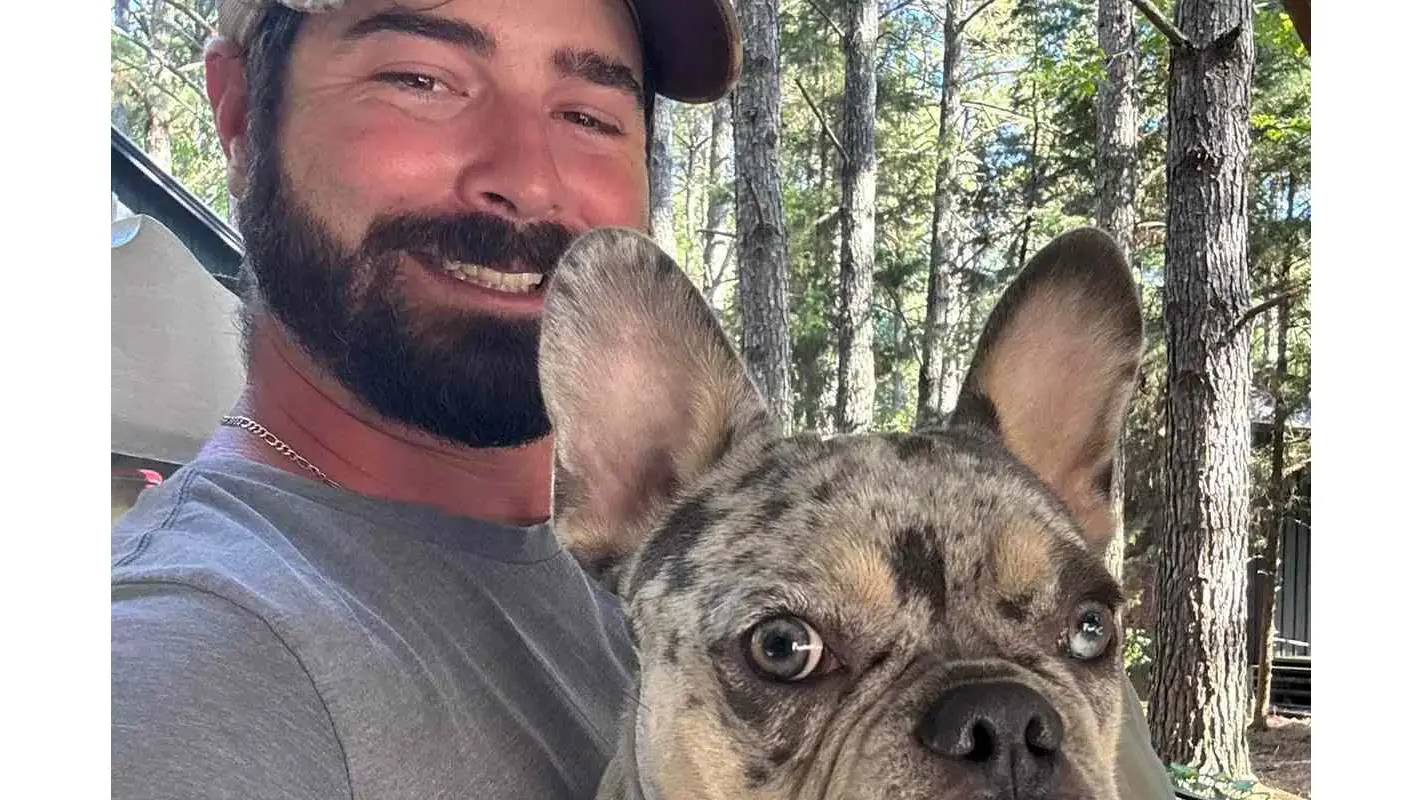
When the Gulf of Mexico swallowed Easton Barrett’s 28-foot Pursuit, a routine fishing trip instantly became a race for survival. Barrett and four friends drifted in open water for nearly five hours, clinging to coolers for flotation, watching Coast Guard boats search nearby, and wondering which deadly threat would arrive first – sharks, or darkness.
The experience only became a viral social-media story after Barrett posted a brief farewell video on his phone and set it adrift in a cooler. Behind the millions of views lies a lesson every offshore boater should take seriously: the smallest piece of safety equipment aboard proved to be the most important.
The Boat Sank in Less Than a Minute
The men launched from Mary Walker Marina in Gautier, Mississippi, for the opening weekend of the 2024 snapper season, one of the busiest days of the Gulf fishing calendar. Before leaving the dock, the crew reviewed the location of the life jackets, flares and ditch bag. Inside that bag was a Personal Locator Beacon, or PLB, a device Barrett had never seen before. A crewmember’s girlfriend had handed it to them that morning with simple advice: take it, just in case.
Hours later, while checking a private reef, one engine quit. Within moments the crew realized the problem was far more serious than mechanical trouble. The boat was sinking rapidly. They scrambled for life jackets and tried to retrieve flares from the console, but water pressure trapped the door shut. In less than a minute the Pursuit disappeared beneath them.
A Personal Locator Beacon Sends the Distress Signal

Floating in five-foot seas, the crew activated the PLB using the instructions printed on the case. The beacon transmitted a distress signal through the international Cospas-Sarsat satellite system, providing rescuers with their position even though there was no cell service. Three coolers floated free from the sinking boat, giving the men additional flotation, drinking water and a place to rest their arms while they waited.
Easton felt his phone in his hip pocket. Seeing he had only about 10 percent battery power left, he decided now was the time to say his farewells. He turned the camera on himself and said, “Well, the boat sank. No Bueno. Love y’all.”
Then he closed it in a Yeti cooler and cast it adrift. The short video would later circle the internet, but at that moment it was simply an attempt to say goodbye.
How the Coast Guard Found the Missing Crew
The wait stretched into hours. Life jackets kept everyone afloat but as the afternoon dragged on, fatigue, cold and uncertainty began to take their toll. They could occasionally see the Coast Guard searching nearby, yet the search boat repeatedly passed without spotting them. Because the PLB marked the position where the distress signal originated, rescuers first searched the initial location. But wind and current pushed the survivors farther away with every passing moment. Four- to five-foot seas complicated the search.
Finally, as the search vessel made another pass, the group hoisted a large cooler above the waves. That flash of white was enough. The Coast Guard turned, accelerated toward the men and pulled all five aboard before transporting them safely to Dauphin Island.
Watch The Qualified Captain Podcast #23: Easton Barrett with ACR on YouTube.
Why Every Offshore Boater Needs a PLB
For Southern Boating readers, Barrett’s experience reinforces several timeless offshore safety principles. Wear life jackets or have them immediately accessible. Keep emergency signaling devices where they can be reached instantly rather than buried inside lockers. Carry multiple methods of communication, including a waterproof handheld VHF radio and visual distress signals. Most importantly, carry a properly registered satellite beacon.
PLB vs. EPIRB: Know the Difference
A PLB is designed for individuals and must be activated manually. An Emergency Position Indicating Radio Beacon, or EPIRB, serves a similar purpose but is registered to the vessel and can be set to activate automatically if the boat sinks. Both communicate through the same global rescue satellite network and can summon help almost anywhere on Earth without relying on cellular coverage. Either device can dramatically shorten rescue times when every minute matters.
Keep Emergency Gear Within Easy Reach
Since the accident, Barrett has become an outspoken advocate for PLBs and EPIRBs, urging boaters not only to own one but also to register it properly and ensure everyone aboard knows its location and operation. A beacon hidden in a tackle box or trapped inside a sinking boat cannot save lives.
The Gulf eventually claimed Barrett’s boat, but it did not claim its crew. Their survival came down to preparation, flotation, teamwork and one compact satellite beacon that cost a fraction of the value of the vessel it outlived. Offshore boating has always rewarded those who prepare for the unexpected. On this day, that preparation made all the difference.