...
Southern Boating & Yachting
  • Boats
    • Center Consoles
    • Downeast
    • Dual Consoles
    • Long-range cruisers
    • Motoryachts
    • Power Cats
    • Sport Cruisers
    • Sport Fishing
    • Superyacht
    • Tenders & Ribs
    • Trawlers & Tugs
  • Destinations
    • Bahamas
    • Caribbean
    • Central/South America
    • Charter
    • Europe
    • Pacific
    • U.S. Atlantic
    • U.S. Gulf
    • U.S. Inland
    • U.S. Mid-Atlantic
    • U.S. Northeast
    • Travel
  • Engines
  • Maintenance
    • DIY
    • Haul-Out Guide
  • Electronics
  • Lifestyle
    • Food
      • Menus
      • Drinks
      • Appetizers
      • Entrées
      • Dessert
      • Holiday
    • Fishing
    • Gear
    • News
    • People
    • Safety
    • Shop
  • Digital Edition
  • Subscribe
No Result
View All Result
  • Boats
    • Center Consoles
    • Downeast
    • Dual Consoles
    • Long-range cruisers
    • Motoryachts
    • Power Cats
    • Sport Cruisers
    • Sport Fishing
    • Superyacht
    • Tenders & Ribs
    • Trawlers & Tugs
  • Destinations
    • Bahamas
    • Caribbean
    • Central/South America
    • Charter
    • Europe
    • Pacific
    • U.S. Atlantic
    • U.S. Gulf
    • U.S. Inland
    • U.S. Mid-Atlantic
    • U.S. Northeast
    • Travel
  • Engines
  • Maintenance
    • DIY
    • Haul-Out Guide
  • Electronics
  • Lifestyle
    • Food
      • Menus
      • Drinks
      • Appetizers
      • Entrées
      • Dessert
      • Holiday
    • Fishing
    • Gear
    • News
    • People
    • Safety
    • Shop
  • Digital Edition
  • Subscribe
No Result
View All Result
Southern Boating & Yachting
No Result
View All Result
Home Maintenance DIY
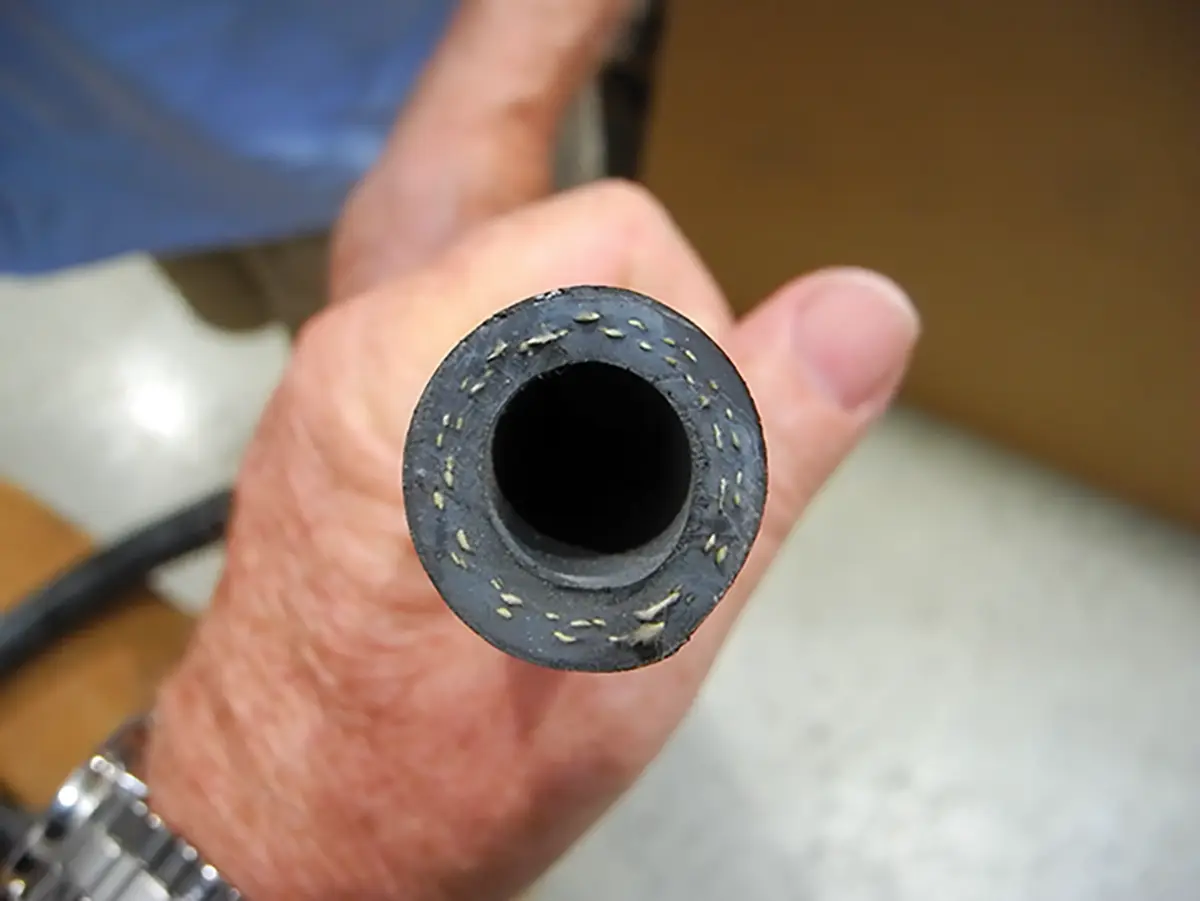
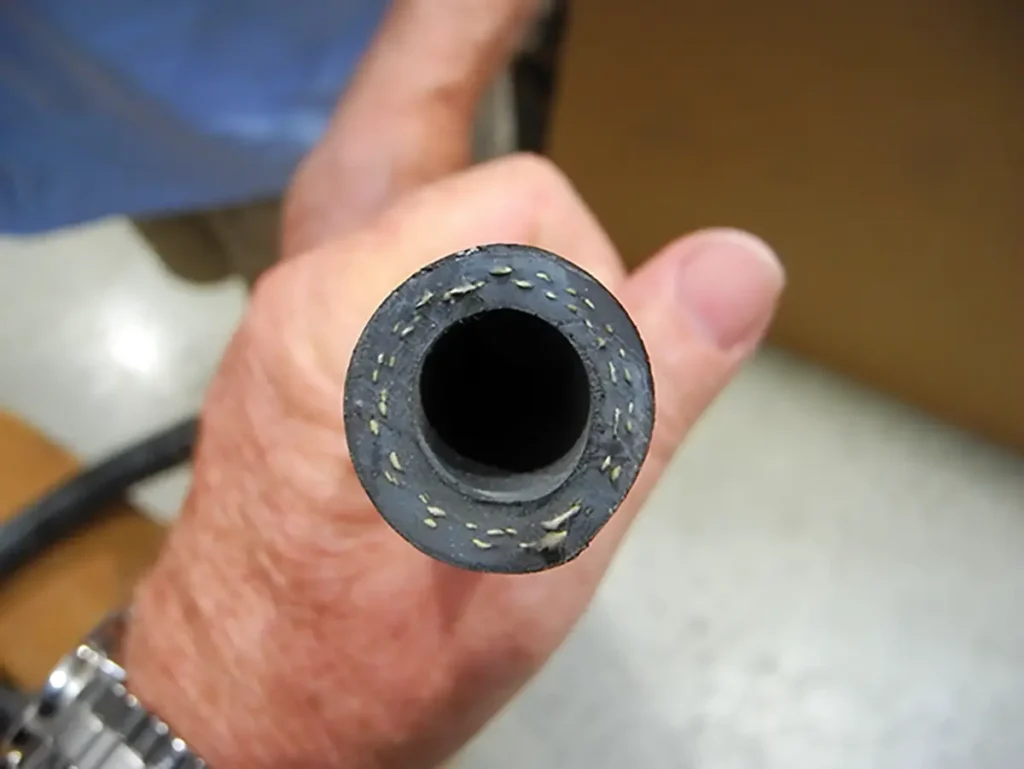
A man holds a clean Marine AC pipe

DIY Marine AC Maintenance Advice: How to Stay Cool on Board

Stay Cool

May 6, 2025
in DIY, Maintenance
0
668
SHARES
3.7k
VIEWS
Share on FacebookShare on LinkedInShare via Email

Simple DIY Chores to Maintain Your Marine AC

Air conditioning aboard your boat is a wonderful luxury, dockside or underway. Fortunately, it’s an easy DIY to keep your marine AC running and stay cool.

How it Works

To troubleshoot your marine air conditioner, you should understand how the system works. A home air conditioning system has an air handler or blower fan inside your house, and the outside compressor unit contains condensing cooling coils. 

The big difference between the marine and the home unit is the method of cooling the refrigerant. The home air conditioning unit uses a very large cooling fan outdoors. Your marine air conditioner uses a raw-water pump to circulate water through the condensing cooling coils inside the boat hull belowdecks.

In your bilge, there is a seacock which is an on-off valve. The seacock connects to the sea strainer via a double-wall hose with double stainless steel hose clamps. The sea strainer captures any debris and prevents it from entering and damaging the water pump.

Also Read

Aventura Catamarans: Luxury, Efficiency and Smart Multihull Design

Aventura Catamarans: Luxury, Efficiency and Smart Multihull Design

April 27, 2026
3.4k

Aventura Catamarans is a French yacht builder specializing in innovative power catamarans designed for stability, efficiency, and spacious onboard living. By...

Air conditioning aboard your boat is a wonderful luxury, dockside or underway. Fortunately, it’s an easy DIY to keep your marine AC running and stay cool.

How it Works

To troubleshoot your marine air conditioner, you should understand how the system works. A home air conditioning system has an air handler or blower fan inside your house, and the outside compressor unit contains condensing cooling coils. 

The big difference between the marine and the home unit is the method of cooling the refrigerant. The home air conditioning unit uses a very large cooling fan outdoors. Your marine air conditioner uses a raw-water pump to circulate water through the condensing cooling coils inside the boat hull belowdecks.


In your bilge, there is a seacock which is an on-off valve. The seacock connects to the sea strainer via a double-wall hose with double stainless steel hose clamps. The sea strainer captures any debris and prevents it from entering and damaging the water pump.

Another double-wall hose with double stainless steel clamps connects the sea strainer to the raw-water cooling pump. The hose then flows raw water to the air conditioner condensing coils and compressor unit. This raw water will cool the refrigerant. That water is then discharged overboard near the location of the condensing coils. The cool refrigerant flows to the air handler, and the fan blows cool air into the stateroom. Got it all? Now you are cool.

Subscribe Here For More Boating Content

Can’t Stay Cool?

When things aren’t cooling down, then what do you check? First, look at the wall control panel. If it shows HI P5 or HIP, that indicates high pressure—the 5 represents an S. High pressure is caused by hot refrigerant not being cooled with sufficient raw-water cooling flow.

Next, check the overboard water discharge to confirm it is flowing. Two air conditioning units should have two overboard discharge streams. If no stream is noted, verify that the water pump circuit breaker is ON. Then check the seacock valve handle to ensure it is open. Now inspect the strainer to make sure it is not fouled with debris, such as barnacles and algae. If all checks are okay, then confirm the pump is running. 

Air Lock in the Marine AC

If the system is not clogged but the pump is running, you may have an air lock in the pump system. The more common pumps I see aboard boats are not self-priming, so you may have to prime the water pump. 

How did the pump get air in it? If the boat is hauled out at the boatyard, the water may drain out of the air conditioning system. Close the seacock before hauling out for service, especially if your boat is dry-stored. Another cause of losing prime could be as simple as running the air conditioner while crashing through rough white water. The white water you see is actually air and the air conditioning system may be ingesting that air causing it to lose prime. 

Keep OUT the Critters to Keep Cool

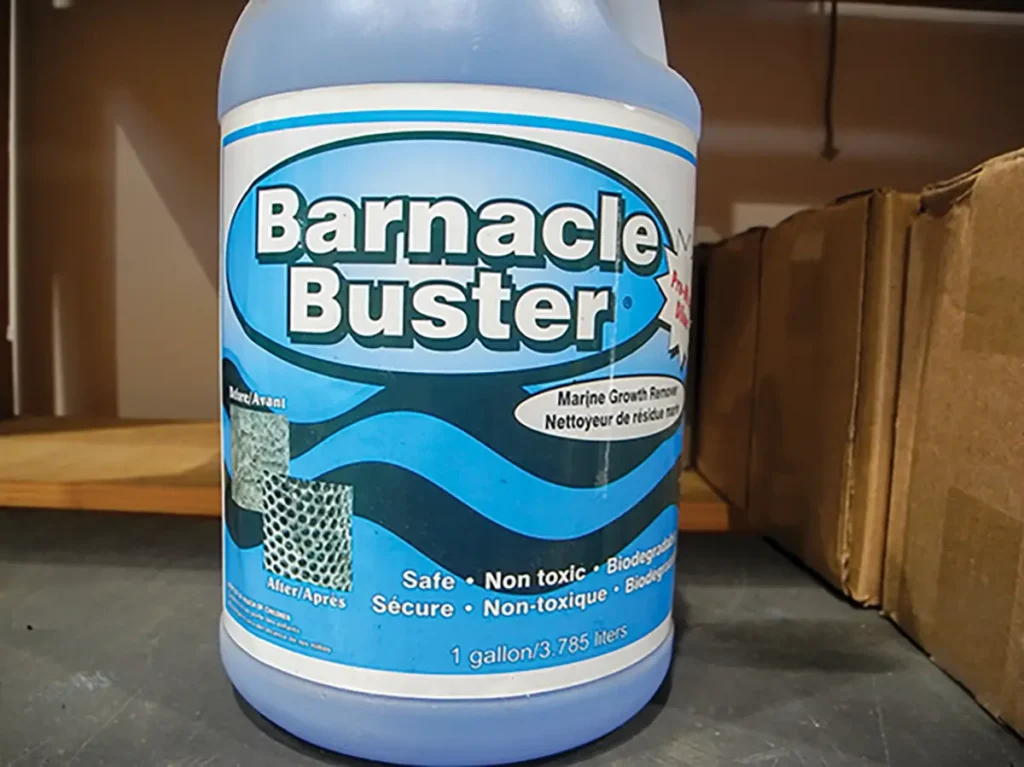
The condensing cooling coils have a tube inside of a tube and act as a heat exchanger similar to the heat exchangers on your engines. Marine life can grow inside the coils restricting heat transfer. And just like your main engines, you must do periodic cleaning of these coils. A simple preventive DIY maintenance is to use a product such as Barnacle Buster and recycle it through the coils until you see clear fluid.

Marine AC Refrigerant

To flush your air conditioner coils, grab a five-gallon bucket and a small bilge pump to attach to your battery. CAUTION: For gasoline boats, because of arcing and sparking concerns, be sure you have a hard-wired battery connection to the small bilge pump. Run a temporary hose into and out of the cooling coils back to the bucket to flush the system. Simple, messy, yet efficient to clean your coils.

Keep Clean Filters and a Clear Drain Hose

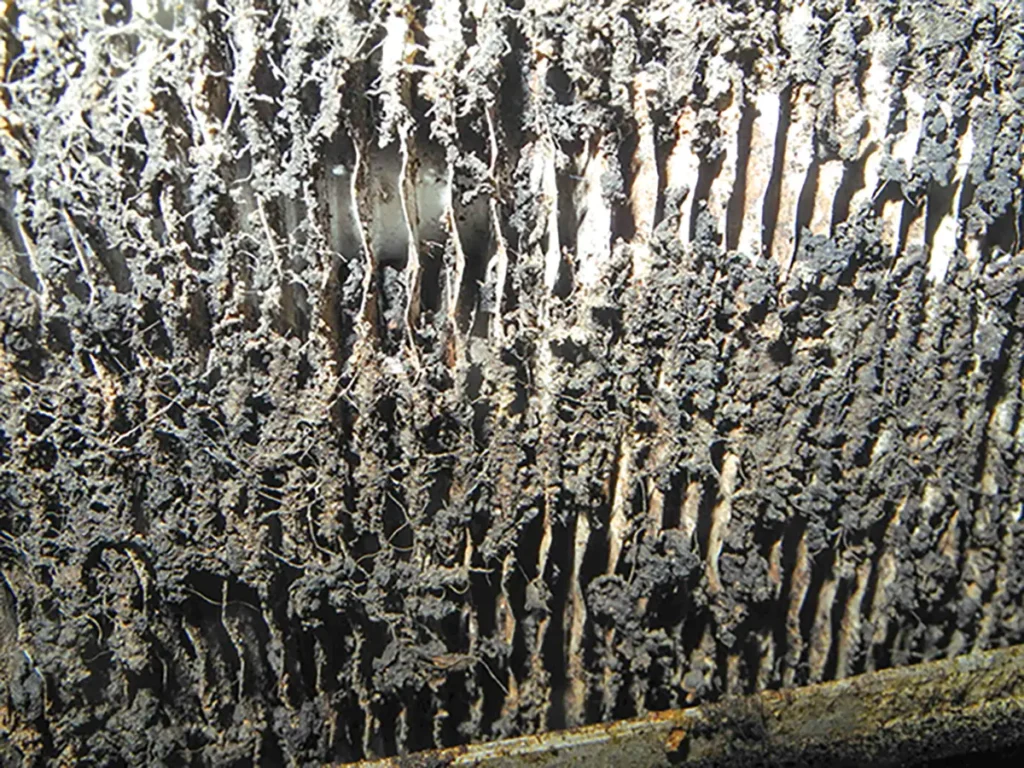
Just like your home air conditioner, the air filters should be changed often. Many boat air handlers pull in return air near the floor where all the dirt and dust collect. If your air handler coils are clogged with dust, it will become wet with condensation and grow mold and mildew. Keep ahead of this simple task, more often if you have pets aboard.

A dirty Marine AC filter

And last, you may notice condensation on the floor. This can be caused by wet dust plugging the condensate drain hose. Be sure to locate and clear that drain hole and hose. A long pipe cleaner should be in every boater’s onboard toolbox for this task. Many boats now drain the air conditioner condensate into the under-floor shower sump box.

A man holds a clean Marine AC pipe

To DIY or Not

A wall control panel displaying LO P5 means low pressure. This is low refrigerant and means you have a refrigerant leak. You may even notice an ice ball near the compressor. No DIY here. Call a technician.

Otherwise, these simple DIY chores can save your weekend cruise and help you stay cool. 

-by Chris Caldwell

Related Posts

10 Tips for Marine Generator Maintenance When Cruising Remotes Locales
Generators

10 Tips for Marine Generator Maintenance When Cruising Remotes Locales

May 11, 2026
3.3k
Boating With Pets: Expert Safety Tips for Dogs and Cats at Sea
How To

Boating With Pets: Expert Safety Tips for Dogs and Cats at Sea

May 11, 2026
3.3k
The Ultimate Pre-Season Boat Checklist: Safety, Gear & Must-Do Inspections
Gear

The Ultimate Pre-Season Boat Checklist: Safety, Gear & Must-Do Inspections

April 23, 2026
3.4k
5 Best Boat Cleaning Products for a Spotless Finish
DIY

5 Best Boat Cleaning Products for a Spotless Finish

April 15, 2026
3.4k
Small Boat, Big Decision: How to Choose the Right Dinghy for Your Boat
How To

Small Boat, Big Decision: How to Choose the Right Dinghy for Your Boat

April 14, 2026
3.5k
Can You Take the Helm? Boating Safety Tips for Mates
How To

Can You Take the Helm? Boating Safety Tips for Mates

March 10, 2026
3.5k
Subscribe to the print magazine | $29.95 for 12 issues
Previous Post

This Hatteras 41C Refit Was Worth Every Dollar: Budget Breakdown + Real Advice

Next Post

Yanmar Marine on the Advance Powers Innovation in Recreational Tech

Next Post
Two Yanmar Marine products with a green to white gradient background

Yanmar Marine on the Advance Powers Innovation in Recreational Tech

Leave a Reply Cancel reply

Your email address will not be published. Required fields are marked *

Recommended

an image of Henderson Beach Resort

Henderson Beach Resort

September 19, 2019
3.6k

Bahama Boat Works 41

August 31, 2015
3.3k

Don't miss it

Tiara 39 LE luxury express cruiser underway
Sport Cruisers

Why the Tiara 39 LE Is One of the Best Luxury Express Cruisers Under 40 Feet

May 18, 2026
3.3k
A Second Chance at Sea
Safety

A Second Chance at Sea

May 13, 2026
3.9k
Bahamas Bareboat Charter Guide: Best Routes, Tips & Islands to Explore
Bahamas

Bahamas Bareboat Charter Guide: Best Routes, Tips & Islands to Explore

May 12, 2026
3.4k
Volvo Penta Unveils New D13 IPS Hybrid Yacht Propulsion System
Hybrid

Volvo Penta Unveils New D13 IPS Hybrid Yacht Propulsion System

May 12, 2026
3.5k
10 Tips for Marine Generator Maintenance When Cruising Remotes Locales
Generators

10 Tips for Marine Generator Maintenance When Cruising Remotes Locales

May 11, 2026
3.3k
Boating With Pets: Expert Safety Tips for Dogs and Cats at Sea
How To

Boating With Pets: Expert Safety Tips for Dogs and Cats at Sea

May 11, 2026
3.3k
Facebook Instagram TikTok Youtube LinkedIn

Navigation

  • About Us
  • Advertise
  • Subscribe
  • Careers
  • Contact Us
  • Terms Of Service
  • Privacy Policy
  • Manage My Subscription
logo

1591 E. Atlantic Blvd, 2nd Floor
Pompano Beach, FL 33060
Office: +1 (954) 522-5515
Contact us: info@southernboating.com


Newsletter

* indicates required

© 2026 Southern Boating & Yachting, Inc.

No Result
View All Result
  • Boats
    • Center Consoles
    • Downeast
    • Dual Consoles
    • Motoryachts
    • Power Cats
    • Sport Cruisers
    • Sport Fishing
    • Tenders & Ribs
  • Destinations
    • Regional Reports
    • Bahamas
    • Caribbean
    • U.S. Atlantic
    • U.S. Gulf
  • Engines
    • Engine Buyers Guide
  • Maintenance
    • DIY
  • Electronics
  • Lifestyle
    • News
      • Boating Log
    • Fishing
    • Food
      • Drinks
      • Appetizers
      • Entrées
      • Dessert
      • Holiday
  • Gear
  • Shop
  • Digital Edition
  • Advertise
  • Subscribe

© 2026 Southern Boating & Yachting, Inc.

  • About Us
  • Advertise
  • Subscribe
  • Careers
  • Contact Us
  • Terms Of Service
  • Privacy Policy
  • Manage My Subscription
  • About Us
  • Advertise
  • Subscribe
  • Careers
  • Contact Us
  • Terms Of Service
  • Privacy Policy
  • Manage My Subscription