
Coast Guard Reports Record-Low Three-Year Boating Fatalities
The latest recreational boating safety statistics show historic progress, but life jackets, sober operation and boating education remain critical.
The U.S. Coast Guard’s latest recreational boating safety statistics reveal a promising milestone: the three-year period ending in 2025 recorded the fewest boating fatalities of any three-year stretch since the agency began tracking deaths in 1962. But while the numbers show progress, the annual report also underscores the risks that continue to put boaters in danger.
Released Nov. 25, 2026, the Coast Guard’s Recreational Boating Statistics 2025 report documents 3,890 recreational boating incidents nationwide in 2025. Those incidents resulted in 568 deaths, 2,119 injuries and approximately $89 million in property damage.
Subscribe Here For More Boating Content
The three-year average of 563 boating fatalities marks a record low. However, deaths increased 2.2 percent compared with 2024, when fatalities reached an all-time annual low. Injuries declined 2.4 percent, while reported incidents rose 0.1 percent.
The recreational boating safety statistics offer a reminder that safer boating habits can make a measurable difference—and that continued attention to safety is essential heading into the 2027 boating season.
Boating Fatalities and Life Jacket Use
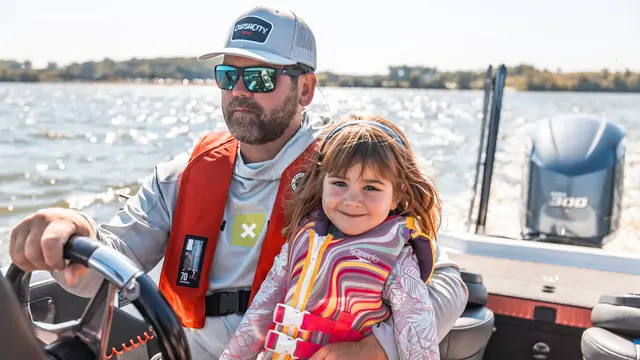
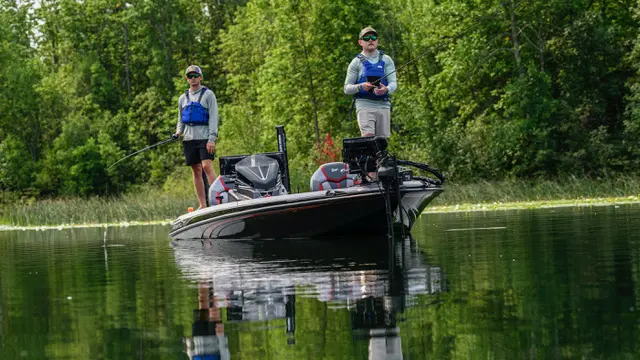
Drowning remains the leading cause of boating fatalities, accounting for 78 percent of deaths for which the cause was known. Of those drowning victims, 86 percent were recovered without a life jacket.
The Water Sports Foundation (WSF) urges boaters and paddlers to wear a properly fitted, Coast Guard-approved life jacket appropriate for their activity whenever they are on the water.
“Every life lost on the water leaves a family grieving,” said Jim Emmons, executive director of the Water Sports Foundation. “The progress over the past three years is encouraging. We want boaters to carry that progress forward by putting on a life jacket before they leave the dock, avoiding impairment while operating a vessel and taking a boating safety course to be prepared for the 2027 boating season.”
The recreational boating safety statistics reinforce the importance of making life jacket use a routine part of every outing, rather than waiting until conditions become rough or an emergency develops.
Alcohol and Operator Inattention Remain Leading Risks
Alcohol continued to be the leading known contributing factor in fatal boating incidents. The Coast Guard identified alcohol as the primary factor in 16 percent of deaths where the primary cause was known.
Operator inattention, operator inexperience, improper lookout, machinery failure and excessive speed rounded out the five primary contributing factors in reported incidents.
Also Read
A Revolution in Range: Aboard the Grand Banks 65 Skylounge
Slow and steady meets fast and efficient in the Grand Banks 65 Skylounge. By Marilyn DeMartini Cruising range used to...
The findings highlight how many boating accidents are linked to preventable decisions. Staying alert, maintaining a proper lookout and operating at a safe speed are essential, whether cruising familiar waterways or navigating crowded channels.
The WSF recommends avoiding alcohol and other drugs while operating a vessel.
Boating Safety Courses Can Help Prevent Accidents
Boating education remains another important part of improving safety on the water. According to the report, 72 percent of deaths occurred aboard vessels whose operators had received no boating safety instruction, among cases where operator instruction status was known.
The WSF encourages both new and experienced boaters to take a boating safety course and practice boat handling in conditions they can comfortably manage.
The recreational boating safety statistics show why education matters: understanding navigation rules, recognizing changing conditions and knowing how to respond in an emergency can help operators make better decisions before trouble begins.
Collisions Account for the Most Boating Incidents
Collisions with other vessels or objects, including groundings, were the most common type of recreational boating incident in 2025.
Also Read:
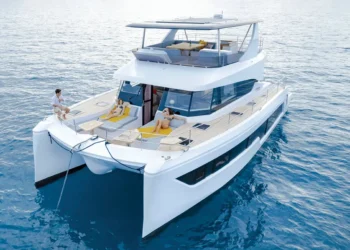
20 New Power Catamarans You’ll Want to Cruise in 2026
Catamarans are stable, roomy, and love to purr. It it seems like there are a lot of new...

They accounted for 43 percent of all reported incidents, 16 percent of deaths and 40 percent of injuries.
Maintaining a proper lookout is especially important in busy waterways, near boat ramps, in channels and wherever vessel traffic converges. Even experienced operators should remain attentive in familiar waters.
Which Boats and Boaters Face the Greatest Risk?
The Coast Guard’s recreational boating safety statistics identify open motorboats, paddlecraft and pontoons as the vessel categories with the highest shares of deaths where vessel type was known.
Open motorboats accounted for 43 percent of deaths, followed by paddlecraft at 25 percent and pontoons at 11 percent.
The report also found that 75 percent of drowning victims were aboard vessels shorter than 21 feet, underscoring the importance of safety precautions on smaller boats.
What the 2025 Boating Safety Statistics Mean for 2027
The Coast Guard’s latest recreational boating safety statistics show that boating safety efforts are making a difference, with the lowest three-year fatality average on record. But the increase in annual deaths and the continued prevalence of drowning, alcohol-related incidents and operator inattention demonstrate that there is still work to do.
As boaters prepare for the 2027 season, wearing a life jacket, operating sober, staying alert and completing a boating safety course remain among the most effective ways to help protect everyone aboard.
Read the full 2025 Recreational Boating Statistics report from the U.S. Coast Guard.