Last updated: May 28, 2026
A spearfishing trip off Virginia Beach turned into a dramatic Coast Guard rescue after a 24-foot boat capsized near the Chesapeake Light Tower.
By Lee Jeffries
For Tan Boriboune and friends, a late-summer run from Virginia Beach promised a cooler full of fish and a quick return ahead of building weather. Instead, it became a stark reminder of how quickly the sea can turn, and how preparation can mean the difference between life and loss.
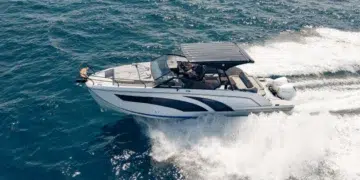
The six men headed 13 miles out to the Chesapeake Light Tower on a 24-foot Wellcraft for a day of spearfishing. Conditions appeared manageable at first, but a steady swell and a critical misstep—tying the bow off to the tower as they free-dived—set the stage for disaster. As the swell built, the tethered boat could not rise and fall naturally. Water came aboard faster than the bilge pump could handle and within minutes the situation spiraled.
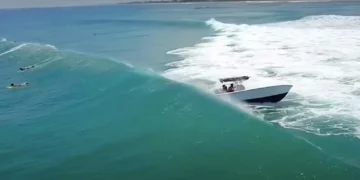
Their efforts to cut free came too late. The engine failed after seawater compromised the electronics, and in just four minutes and 25 seconds, the vessel capsized. Four men clung to the overturned hull while two others, separated on the tower, watched helplessly as the boat drifted away.
What followed could have ended very differently if not for a single piece of gear.
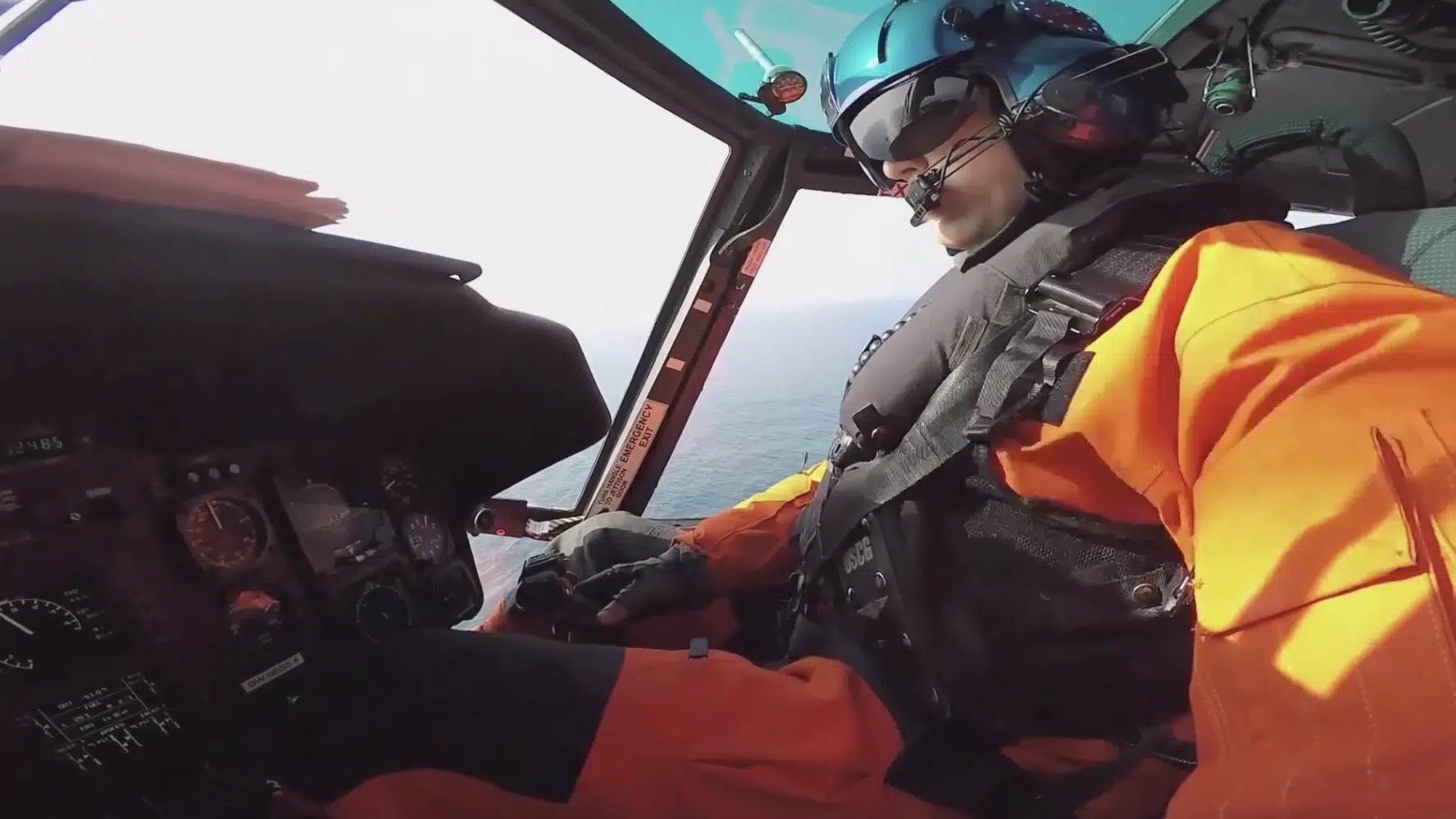
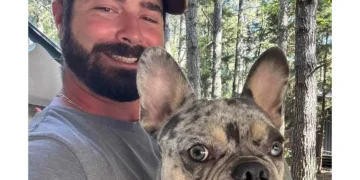
Sitting with the others atop the overturned hull, Boriboune activated a personal locator beacon (PLB) he had recently purchased. The compact device transmitted a distress signal via satellite to the Coast Guard, triggering an immediate rescue response. Within two hours, an MH-60 Jayhawk helicopter located the stranded men, hoisted them to safety, and then returned for the two still on the tower. All six were rescued without serious injury.
The PLB proved decisive, but the incident also exposed critical gaps. The fishermen never made a Mayday call. They hadn’t shared their plan with loved ones either. Rescuers initially lacked basic details: how many people were missing, the type of vessel, where they’d planned to fish. Family members including Tan’s wife Brouk Boriboune scrambled to piece together information through social media, underscoring how easily time can slip away when every minute counts.
Safety on the water is rarely about a single decision; it’s the result of layers of preparation. A registered beacon, a working VHF radio, a float plan, and respect for weather windows all form a safety net. Remove enough strands and the margin for error disappears.
Thankfully for these anglers, a palm-sized device gave them a second chance.
Read the amazing full story on the Water Sports Foundation website.