
Last updated: July 15, 2026
Summary
Discover seven of the best blue marlin fishing spots on the East Coast and throughout the Caribbean, including when to go, what makes each destination productive, and the major tournaments that draw top anglers. From New Jersey's offshore canyons to the deep waters of Puerto Rico and the Dominican Republic, this guide helps anglers plan their next big-game fishing adventure with destination highlights, peak seasons, and essential packing tips.
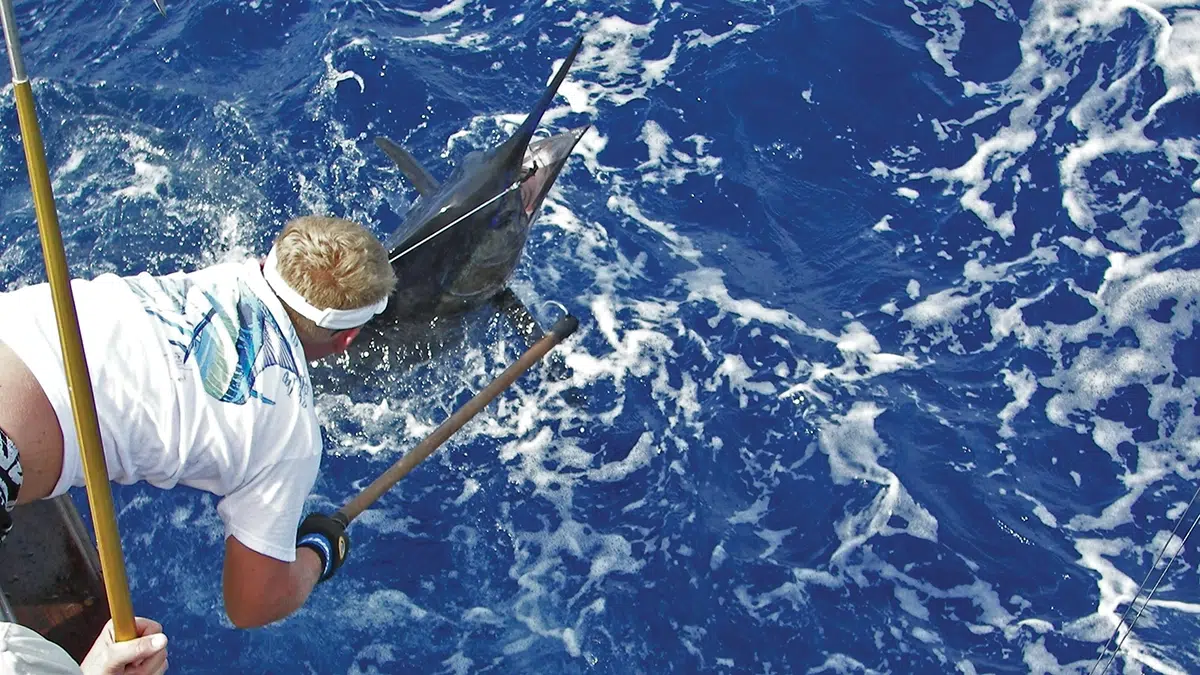
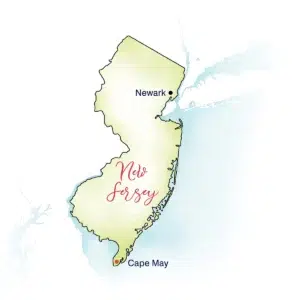 Cape May sits at the southern tip of New Jersey and has built a reputation as one of the most consistent big-game gateways in the Northeast. Its proximity to the Wilmington Canyon — a deepwater trench fed by warm Gulf Stream eddies — creates the temperature breaks and structure blue marlin favor.
The prime window runs from mid-July through September, when stable water temperatures and heavy bait concentrations line up offshore. White marlin and yellowfin tuna often dominate the catch reports, but blue marlin encounters stay steady, and crews working the 30- to 60-fathom lines along the canyon walls put real fish in the spread.
Cape May also sits close to one of the sport’s marquee events, the MidAtlantic tournament. The event draws elite crews and has produced numerous grander-class blue marlin over the years, and its well-developed marina scene keeps the destination convenient for East Coast anglers.
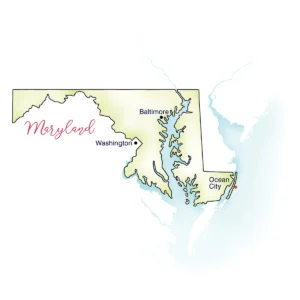 Ocean City has long been synonymous with world-class billfishing in the mid-Atlantic. The town sits within striking distance of the Baltimore and Washington canyons, both of which hold bait and pelagic predators through the summer months.
Peak season runs from late July through early September, matching the height of the region’s tournament calendar. The White Marlin Open anchors the schedule with roughly 400 boats fishing it each year, backed by a slate of competitive events that keep crews on the move all summer.
Anglers here typically troll natural baits along temperature breaks and bottom structure. White marlin provide the steady action, but the blue marlin that show up tend to be serious, tournament-grade fish.
Also Read
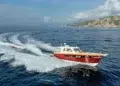
Patrone 45 Convertible: A Ligurian Gozzo Built for Cruising
Patrone 45 Convertible First Look: Gozzo Style, IPS Power The Patrone 45’ Convertible takes the traditional Ligurian gozzo somewhere it...
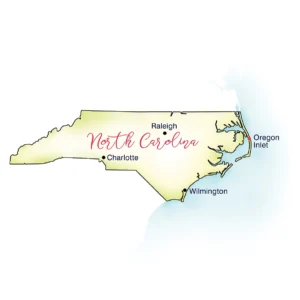 Few destinations blend history, easy access, and consistent billfish action like Oregon Inlet. Located on North Carolina’s Outer Banks, it offers one of the shortest runs to the Gulf Stream on the East Coast, putting productive blue water within easy reach.
The blue marlin season stretches from June through September, with July and August producing the highest numbers. The fleet works a dynamic edge where warm Gulf Stream currents meet the cooler, nutrient-rich Labrador Current, a mix that concentrates bait and predators alike.
Oregon Inlet carries deep tournament tradition, headlined by the Big Rock Blue Marlin Tournament in nearby Morehead City — part of a broader tournament fishing circuit that keeps the Outer Banks humming all summer. The region is also home to some of the sport’s top boatbuilders — Bayliss, Spencer, Jarrett Bay, Scarborough, and Blackwell among them — giving anglers access to a deep bench of experienced captains.
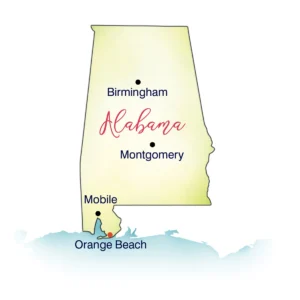 The northern Gulf of Mexico doesn’t top most anglers’ first list for blue marlin, but Orange Beach has earned its place as a serious contender. The Alabama coast offers deepwater structures, rigs, and canyon-like features that concentrate bait and draw big predators.
The best window runs from June through September, when warm Gulf waters stabilize and pelagic species turn on. Much of the action revolves around the offshore oil and gas platforms that dot the seascape, acting as vertical artificial reefs in otherwise open water.
Orange Beach also hosts the Blue Marlin Grand Championship, part of a broader Gulf Coast tournament circuit with high-dollar purses and fiercely competitive crews. Teams here often run live bonito and small tuna to draw strikes from heavyweight blues, though natural baits and lures produce as well.
Also Read:
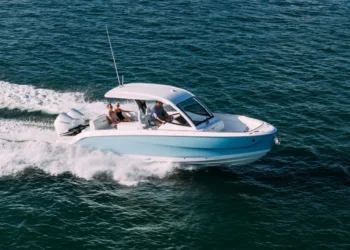
Beneteau Flyer 30 Review: A New Generation of Day Boat
Beneteau Flyer 30: Day Boating's Next Generation By Marilyn DeMartini Boating lifestyles evolve with time and the market,...
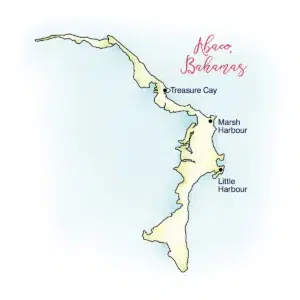 The Abacos deliver clear water, island scenery, and legitimate blue marlin potential in one package. The island chain sits along the edge of the Little Bahama Bank, where deep water rises abruptly to meet shallow flats and creates natural current breaks and feeding zones.
Blue marlin season generally peaks from April through July, though fish show up outside that window depending on conditions. Because deep water sits so close to the islands, boats can be trolling within minutes of leaving the dock — a real advantage for maximizing time in the spread.
Local tournaments like the Custom Shootout add a competitive edge to the season, and easy access from Florida keeps Abaco a go-to destination for East Coast and Florida-based teams chasing a big blue in beautiful water.
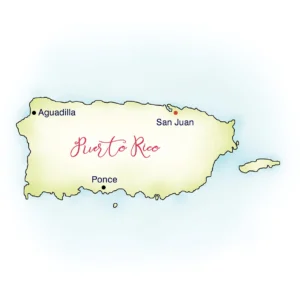 In San Juan, blue marlin fishing isn’t seasonal — it’s a year-round pursuit. The island’s geography puts deep Atlantic water just a few miles offshore, so anglers can be trolling productive grounds in minutes instead of hours.
Blue marlin bite here every month, but the peak season runs from June through August, when the larger fish show up in numbers. The waters off San Juan have produced some of the largest blue marlin in the Atlantic, including numerous fish over the 1,000-pound mark.
San Juan also hosts the San Juan International Billfish Tournament, one of the oldest billfish tournaments in the world. Rich history, easy travel logistics — no passport required for U.S. residents — and dependable action make this destination a standout for veterans and newcomers alike.
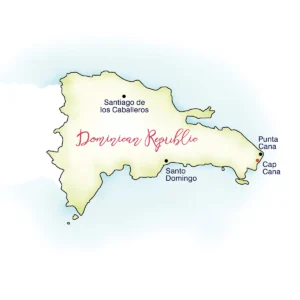 Few Atlantic destinations have risen as quickly in the billfishing world as Cap Cana. Located on the Dominican Republic’s eastern tip, this modern marina development offers immediate access to deep water and a migratory pathway blue marlin use to move through the Caribbean.
Peak season runs from March through July, with April and May typically producing the highest number of encounters. What sets Cap Cana apart is the frequency of the bite — multiple shots at blue marlin in a single day aren’t uncommon during the season’s height.
Crews here mix pitch-baiting with trolling, staying ready to capitalize the moment a fish shows in the spread. Short run times to the fishing grounds and modern infrastructure make Cap Cana one of the most accessible, angler-friendly destinations in the Caribbean.