AI at Sea: Viking Calls for Technology-Driven Whale Protection Measures
Viking Yachts President and CEO Pat Healey is encouraging boat owners, captains, marine businesses and coastal communities to participate in the public comment process as NOAA reviews the 2008 North Atlantic Right Whale Vessel Speed Rule.
Healey says the boating industry supports protecting the critically endangered North Atlantic right whale, but believes modern regulations should reflect advancements in marine technology, vessel design and real-world operating conditions. He is urging stakeholders to submit comments before the June 2 deadline through Boating United.
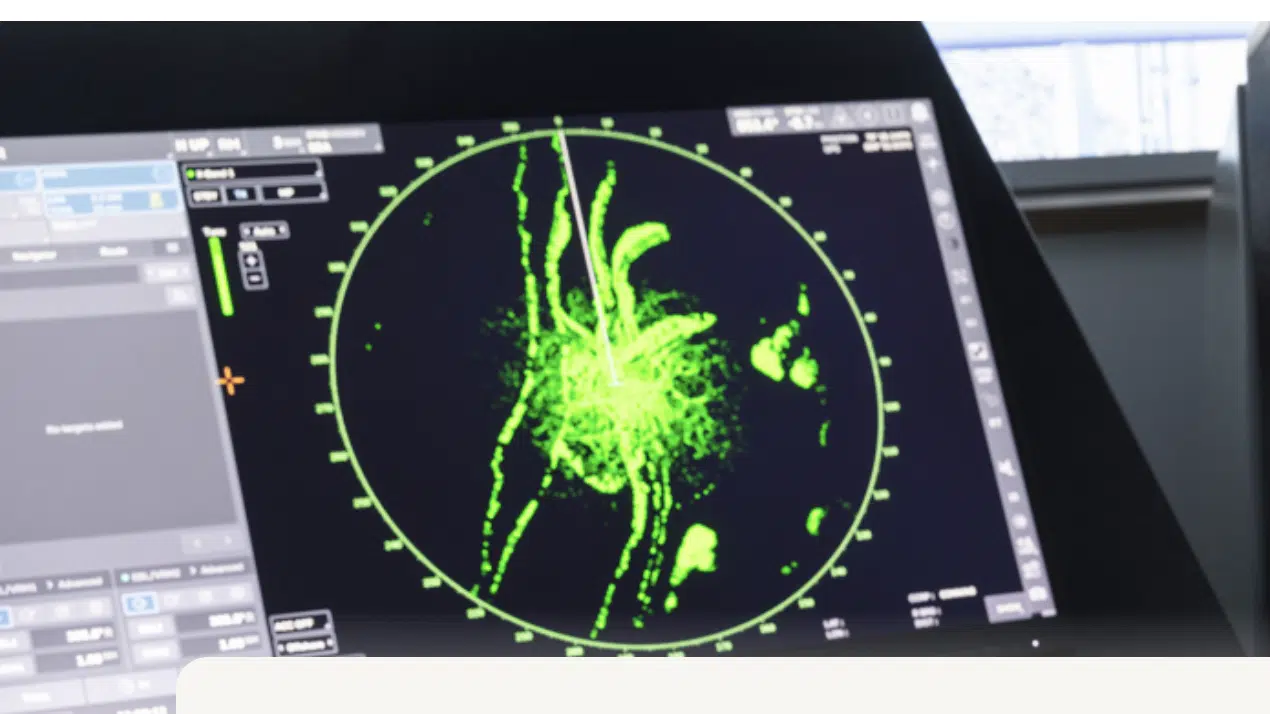
In a recent video message, Healey emphasized that today’s recreational boats are safer, more technologically advanced and operated differently than they were when the original rule was introduced nearly two decades ago. He also highlighted the growing role of AI-powered marine object detection systems that can help identify whales and other marine mammals in real time.
Subscribe Here For More Boating Content
What Is AI Object Detection Technology for Boats?
According to Viam, object detection is a form of computer vision technology that allows cameras and sensors to recognize and classify objects automatically. The same type of AI technology already powers facial recognition on smartphones and automated checkout systems in grocery stores.
Applied to boating, advanced object detection systems can use cameras, radar and AI classification software to identify whales, marine mammals, floating debris and other hazards. These systems can then alert operators to slow down, alter course or share the sighting information with nearby vessels.
Supporters say the technology has the potential to improve both marine conservation and offshore boating safety without relying solely on broad speed restrictions.
Also Read:
A Second Chance at Sea
A spearfishing trip off Virginia Beach turned into a dramatic Coast Guard rescue after a 24-foot boat capsized...
WAVS Taskforce Advances Whale Detection Research
A major part of the industry’s effort is being led by the Whale and Vessel Safety (WAVS) Taskforce, a Viking Marine Group initiative formed in late 2022 with several industry partners.
The taskforce operates a 24-foot Contender Boats research vessel powered by a 300-hp Yamaha Marine outboard. The vessel is equipped with advanced whale-detection technology, radar systems and AI classification software designed to gather real-world data on vessel speed, whale detection and avoidance strategies.
The project gained national attention in October 2025 when the WAVS Taskforce received the Marine Research Hub Innovation & Sustainability Award during the Fort Lauderdale International Boat Show. The award, presented in partnership with Informa Markets and the Marine Industries Association of South Florida, recognized the initiative’s efforts in marine innovation and environmental stewardship.
Also Read
Is the Hanover 7 Series the BMW of Cruiser Yachts?
By Captain J. Sterling | South Florida Marine Correspondent I'll be honest, when Hanover Yachts first crossed my radar, I...
Industry Pushes for Modernized Regulations
The ongoing NOAA review of the North Atlantic Right Whale Vessel Speed Rule has sparked significant discussion throughout the recreational boating and marine industries.
Industry leaders argue that future regulations should consider vessel-specific risk factors, updated navigation systems, modern hull designs and emerging AI-assisted detection technologies. Many also believe new rules should balance conservation goals with practical offshore access for recreational anglers, cruisers and marine businesses.
Healey maintains that whale protection and responsible boating can coexist through what he describes as “modern technology, sound science and reasonable regulation.”
How Boaters Can Submit Comments
Boaters and marine industry stakeholders can submit public comments through Boating United’s comment portal until June 2. The site includes a prewritten industry letter that users can customize with additional comments before submitting to NOAA.
Supporters say widespread participation during the comment period could help shape how future whale protection policies incorporate AI detection technology and evolving marine safety systems.