

...
Southern Boating & Yachting
  • Boats
    • Center Consoles
    • Dual Consoles
    • Motoryachts
    • Power Cats
    • Sport Cruisers
    • Tenders & Ribs
  • Destinations
    • Regional Reports
    • Bahamas
    • Caribbean
    • U.S. Atlantic
    • U.S. Gulf
  • Engines
  • Maintenance
    • DIY
  • Electronics
  • Lifestyle
    • News
      • Boating Log
    • Fishing
    • Food
      • Menus
      • Drinks
      • Appetizers
      • Entrées
      • Dessert
      • Holiday
  • Gear
  • Shop
  • Digital Edition
  • Subscribe
  • Advertise
No Result
View All Result
  • Boats
    • Center Consoles
    • Dual Consoles
    • Motoryachts
    • Power Cats
    • Sport Cruisers
    • Tenders & Ribs
  • Destinations
    • Regional Reports
    • Bahamas
    • Caribbean
    • U.S. Atlantic
    • U.S. Gulf
  • Engines
  • Maintenance
    • DIY
  • Electronics
  • Lifestyle
    • News
      • Boating Log
    • Fishing
    • Food
      • Menus
      • Drinks
      • Appetizers
      • Entrées
      • Dessert
      • Holiday
  • Gear
  • Shop
  • Digital Edition
  • Subscribe
  • Advertise
No Result
View All Result
Southern Boating & Yachting
No Result
View All Result
Home Maintenance
Negative Effects of Corrosion

Photo: synaemi.blogspot.com

Negative Effects of Corrosion

December 5, 2014
in Maintenance
0
593
SHARES
3.3k
VIEWS
Share on FacebookShare on LinkedInShare via Email

The Devil is in the Details

“Great floods have flown from simple sources,” said William Shakespeare, which is a fitting opening for the subject of the potential negative effects of corrosion aboard your boat and the possibility of big troubles because of it. How big? Great floods, indeed.

Here are a few facts. Steering clear of any chemistry lesson, electrolysis involves only one metal and a major change occurring in an electrolyte with chemical properties that make it capable of conducting an electrical current. A good example is when a lead-acid battery discharges and produces a significant alteration in the concentration of the battery acid. So when one of my dock mates called me on the VHF asking for a tow, he was wrong when he stated, “Electrolysis caused that blade on my prop to weaken and finally break off.” No, shipmates, his problem was most likely brought about by galvanic corrosion or, in part and sometimes in collusion with, its equally evil relative, stray current.

With galvanic corrosion the deterioration occurs between the dissimilar metals as they react while immersed in salt water. This is caused by the current—the movement of an electric charge—that flows between the two, each acting as anode or cathode, depending on its place on the galvanic chart of metals in sea water, and as a result of either being physically or electrically connected.

[photomosaic ids=”5693,5692,5691,5690,5689″ orderby=”rand”]

The long and short of it here is not so much with the why of the process but more of preventing the result. For example, my buddy’s bronze propeller blade gave up more of itself, corroded as it were, and also the stainless steel shaft it was attached to because it is a less noble (or more reactive) metal than that of the shaft’s material.

Subscribe to the print magazine | $29.95 for 12 issues

While the effects of galvanic corrosion will more than likely occur over a protracted period of time, the serious effects of stray current can be seen in as little as several days. Should you have, for example, some faulty wiring lying in the bilge or a damaged float switch sending current into the water—or the same condition existing on another vessel in your marina—or even issues from the dockside shore power, regardless of whether you have a galvanic isolator in use, your boat is in serious danger. A shaft, rudders, props, outdrives, lower units, and bronze through-hull fittings are all at risk. If you even suspect this may be the case, and unless you are an ABYC certified marine electrician, the best advice is to take a big step back and get the experts in posthaste. (abycinc.org/educationprograms/certificationDirSearch.cfm).

Protection against galvanic corrosion is a bit simpler and yet comes with its own set of rules. “With fiberglass boats, Mil Spec A-18001K Zinc alloy sacrificial anodes are most suitable for the saltwater environment if the underwater metal you are trying to protect is bronze, stainless, and Nibral,” says Bob Olsen, President of BoatZincs.com. “With brackish water, aluminum anodes (Mil Spec A-24779)––which also provide saltwater protection as well––work best. If you use your boat only in fresh water, magnesium anodes (Mil Spec A-21412) are what you will need.”

If you run a stern drive or outboard boat, use aluminum protection. It’s best to check with your manufacturer for any special needs. In addition, with inboard engines, always make sure to check your pencil zincs twice a year.

The size of the anode is a function of how many square feet of metal are being protected, and if you are re-zincing make sure you confer with your yard or marina service manager. “Except for a few situations, you cannot over-protect your boat,” Olsen advises. He adds that boat owners should feel free to collar their boat shafts as well, as long as the boat is properly bonded. As always, call in the right technician to have a look if questions arise.

Making sure your boat’s metal fittings are properly protected against both galvanic and stray current corrosion is one of the most important preventive maintenance regimens aboard your boat.

By Ken Kreisler, Southern Boating March 2014
Tags: anodeboat maintenanceboat repairsboatzincscorrosionelectrolysisgalvaniczinc
Previous Post

Give the Gift of Restoration this Season

Next Post

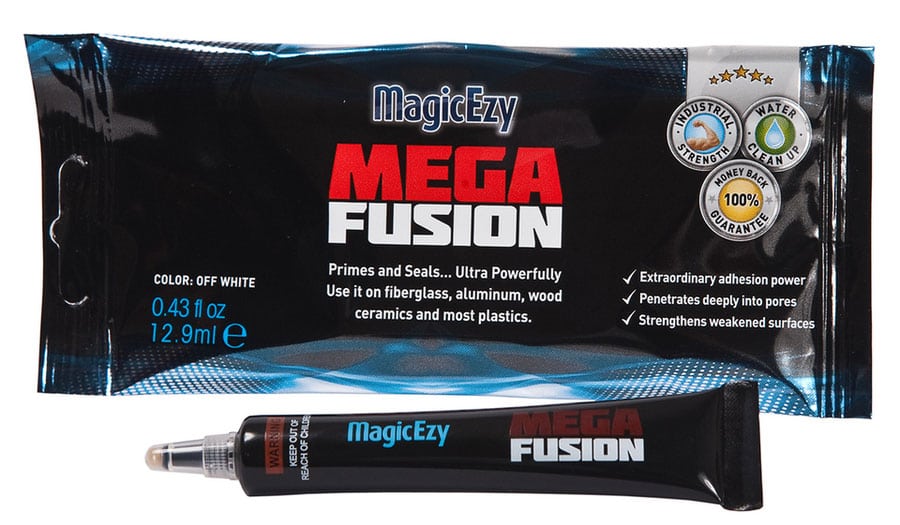
MagicEzy Mega Fusion

Next Post
MagicEzy Mega Fusion

MagicEzy Mega Fusion

Recommended

The Gulf’s red snapper regulations heat up in Congress.

The Gulf’s red snapper regulations heat up in Congress.

June 1, 2015
3.3k
Tasha strikes a pose in her polarized sunglasses. Photo by Jim Raycroft.

Abaco Polarized Sunglasses from the 2018 Swimsuit Shoot

March 20, 2018
3.3k

Don't miss it

Miami International Boat Show Preview: Unveiling the Latest 2026 Models
Dual Consoles

Miami International Boat Show Preview: Unveiling the Latest 2026 Models

February 3, 2026
4.6k
Port Salerno, Florida: An Easygoing Taste of Old Florida on the Treasure Coast
Destinations

Port Salerno, Florida: An Easygoing Taste of Old Florida on the Treasure Coast

February 3, 2026
3.5k
Inside Sea Tow’s Leadership and Vision with President Kristen Frohnhoefer
Lifestyle

Inside Sea Tow’s Leadership and Vision with President Kristen Frohnhoefer

February 2, 2026
3.3k
Captain Matt Blodgett’s Journey to Running Sportfishing Charters
Lifestyle

Captain Matt Blodgett’s Journey to Running Sportfishing Charters

January 27, 2026
3.4k
Readers' Choice 2026
Featured

Southern Boating’s 2026 Readers’ Choice Awards: Best Boats, Gear, and More

January 27, 2026
4.9k
Hunt Yachts
Featured

Long-Range Cruisers Buyer’s Guide: Luxurious Vessels For Comfort And Style

January 26, 2026
13.2k
Facebook Instagram TikTok Youtube LinkedIn

Navigation

  • About Us
  • Advertise
  • Subscribe
  • Careers
  • Contact Us
  • Terms Of Service
  • Privacy Policy
  • Manage My Subscription
logo

1591 E. Atlantic Blvd, 2nd Floor
Pompano Beach, FL 33060
Office: +1 (954) 522-5515
Fax: +1 (954) 522-2260
Contact us: info@southernboating.com


Newsletter

* indicates required

© 2026 Southern Boating & Yachting, INC.

No Result
View All Result
  • Boats
    • Center Consoles
    • Dual Consoles
    • Motoryachts
    • Power Cats
    • Sport Cruisers
    • Tenders & Ribs
  • Destinations
    • Regional Reports
    • Bahamas
    • Caribbean
    • U.S. Atlantic
    • U.S. Gulf
  • Engines
    • Engine Buyers Guide
  • Maintenance
    • DIY
  • Electronics
  • Lifestyle
    • News
      • Boating Log
    • Fishing
    • Food
      • Drinks
      • Appetizers
      • Entrées
      • Dessert
      • Holiday
  • Gear
  • Shop
  • Digital Edition
  • Advertise
  • Subscribe

© 2026 Southern Boating & Yachting, INC.

  • About Us
  • Advertise
  • Subscribe
  • Careers
  • Contact Us
  • Terms Of Service
  • Privacy Policy
  • Manage My Subscription
  • About Us
  • Advertise
  • Subscribe
  • Careers
  • Contact Us
  • Terms Of Service
  • Privacy Policy
  • Manage My Subscription