Nature is blooming, and summer is just around the bend. If your boat has been sitting dormant for a few months, you’ll need to test your support gear to see what’s in working order. Maybe there’s even a new item on your wish list, and now is the time to bring it aboard. Follow this boat safety checklist and you’ll be set for summer.
By Captain Chris Caldwell
Boat Safety Gear Checklist (Start Here)
Inspect Life Jackets and PFDs
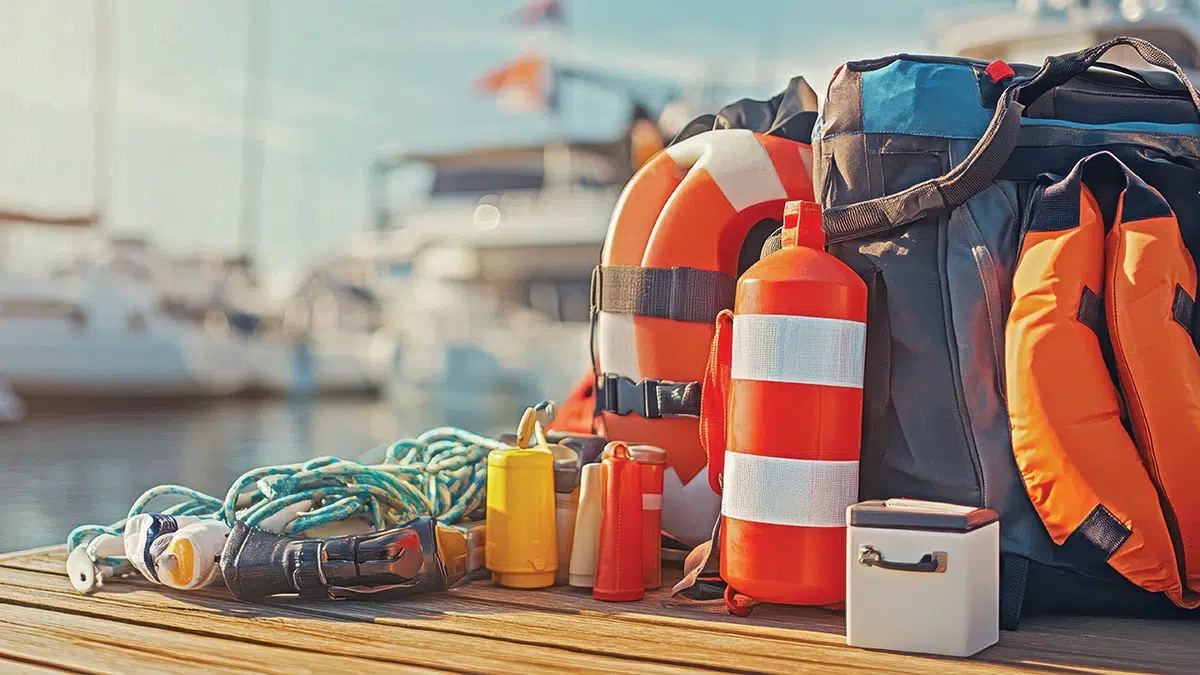
Life jackets or PFDs (personal flotation devices) aren’t your father’s bright orange cork or kapok anymore. Regardless of their style, take them out of storage and give them a yank—literally. Hang them by the strap and notice any rips, significant wear, or damage to clasps. Check that it still fits, and try floating in shallow water to be sure you are held face up.
How to Test Inflatable PFDs
Inflatable PFDs require a few more steps to complete your pre-summer checklist. After checking yours for wear and abrasions, try to inflate it orally if you don’t want to expend a CO2 cartridge on a test. Then leave it inflated for 24 hours, proving that it will hold air without leaks. Don’t forget to check the bobbin and cartridge for any corrosion.
Subscribe Here For More Boating Content
Check Throwable Devices & Rescue Gear
Throwables such as a seat cushion or ring must be aboard boats 16 feet and larger. A rescue throw bag with a floating rope surely helps with a man overboard. Practice sessions in your marina with other boating friends can be fun on a windy day and will build your muscle memory to keep calm if it’s ever needed.
Above all, buyer beware when you purchase online. It is essential that your safety equipment is USCG-approved. Some bargain products aren’t accepted for use here in the U.S.
Required Safety Equipment (USCG Guidelines)
While you hope you’ll never need these safety items, always know where they are stowed and how to use them when emergencies pop up.
Flares and Visual Distress Signals
Flares must be in date and easily reachable. Whether you have basic handheld flares or a flare launcher, understand how to ignite the flare for others to see. Although a strobe light far exceeds the burn time of a flare, a strobe that can’t be seen in the daytime is not ideal. Newer strobes are designed to be brighter in daylight. Determine if your strobe has automatic or manual activation, and test for good visibility.
Fire Extinguisher Inspection Tips
Inspect your fire extinguisher for corrosion, checking that the pressure gauge is in the green and it isn’t past its expiration date. As your boat length grows, so should the number of fire extinguishers. Check out the quick-reference chart printed by the USCG to see how many and what type is required. If you have never used a fire extinguisher, now is a good time to learn.
Also Read:
Nordhavn Prepares for First Rendezvous in the Bahamas
Next week, 25 Nordhavns will gather off Great Exuma for the first-ever Nordhavn Rendezvous in the Bahamas. The...
Kill Switch Lanyard Importance
Every new outboard boat with an open helm comes with a terrific safety device called the kill switch lanyard, connecting the boat driver to the engine ignition switch. The engine shuts off if you fall away from the helm. So, if your lanyard has been misplaced during the winter months, immediately purchase a replacement before even thinking about starting out on your next adventure. Safety first and the fun follows.
Vessel Safety Checks (USCG Auxiliary)
A vessel safety check from your local Power Squadron or USCG Auxiliary is free and can be scheduled well before your first day out on the water. Their recommendations will help you build your own boat-specific gear checklist.
Mechanical & Electrical System Checks
Test Engine Controls and Thrusters
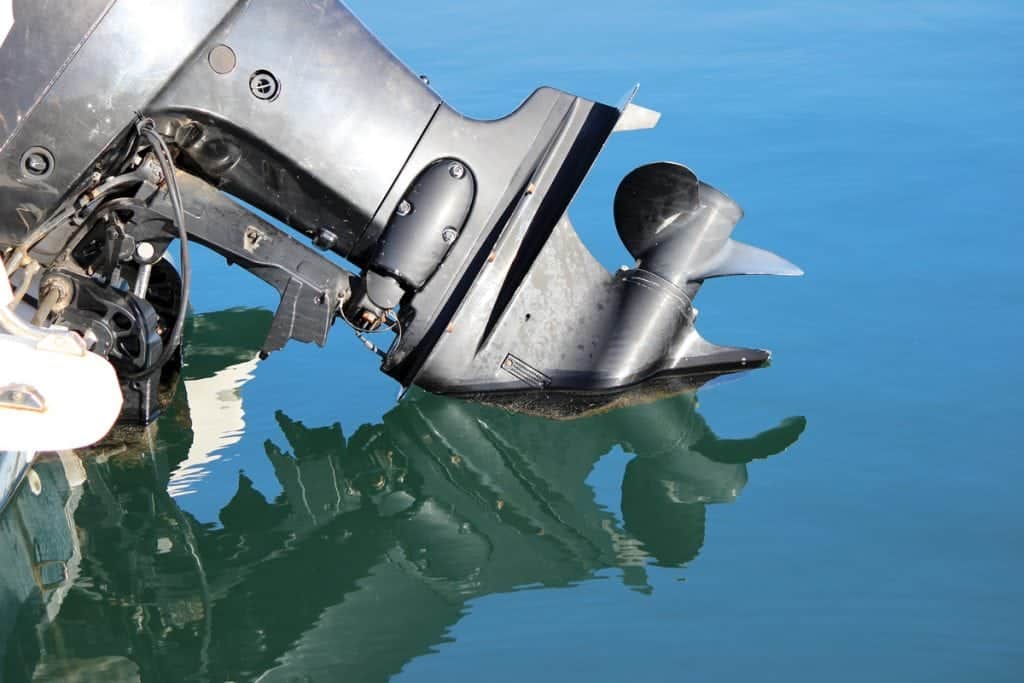
While you may plan to be back at the dock before sunset, boat adventures don’t always go according to plan, so check your running lights before heading out. Once you start your engine, you can test the engine controls while still tied to the dock: forward, reverse, and if you are lucky enough to have them, test the port and starboard thrusters, too.
VHF Radio Check Procedure
VHF radio check is accomplished by simply calling your marina fuel dock, where they will switch to a working channel, and you can tell them you are coming for a fill-up or pump-out. Likewise, testing your horn with a prolonged blast before leaving the dock tells everyone to look out—I’m coming out.
Boat Trailer
Don’t forget a few more checks to safely transport your boat by trailer. Equipment such as brakes, bearing buddies, and lights don’t like nonuse. Even new tires need their pressure checked before heading out to the boat ramp.
Also Read
Inside the Marlow 62E Command Bridge: A Luxury Yacht Built for Owner-Operators
Drawn by the yacht’s craftsmanship and performance and sealed by the service and close-knit Marlow experience, this seasoned boating couple...
Boat Paperwork & Compliance Checklist
Registration, Insurance, and Documentation
While you are poking around checking for spare parts, locate your important paperwork and confirm that it’s all up to date, including insurance, documentation, and state registration. If you trailer your boat, there is paperwork for that, too.
GPS and Chart Updates
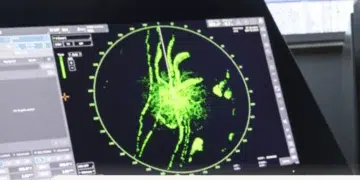
There are significantly more pre-cruise items to review for boats 40 feet and longer, including the Navigation Rule book. Consider upgrading your GPS with new chart chips for future adventures. Enhanced radar options like Doppler processing and pulse compression can make navigation a breeze. An AIS (automated identification system) allows you to see who is out on the water with you.
Final Prep for a Perfect Day on the Water
Sunblock, polarized sunglasses, and a new hat can help with the strong summer sun, especially as it reflects off the water. Scrub up your ice chest so it’s ready for refreshing beverages. Set your music playlist with some Jimmy Buffett favorites, and slip on some new deck shoes to keep your grip. After completing all these checks, all you need now are marina reservations.