The Challenge of Staying Alert as an Owner-Operator
A boat owner-operator must wear many hats while underway; captain, first mate, chef, deckhand and chief mechanic among them. If there are just two people aboard—perhaps a husband and wife—staying alert is paramount when wrangling a 50-foot-plus boat on an ocean or waterway.
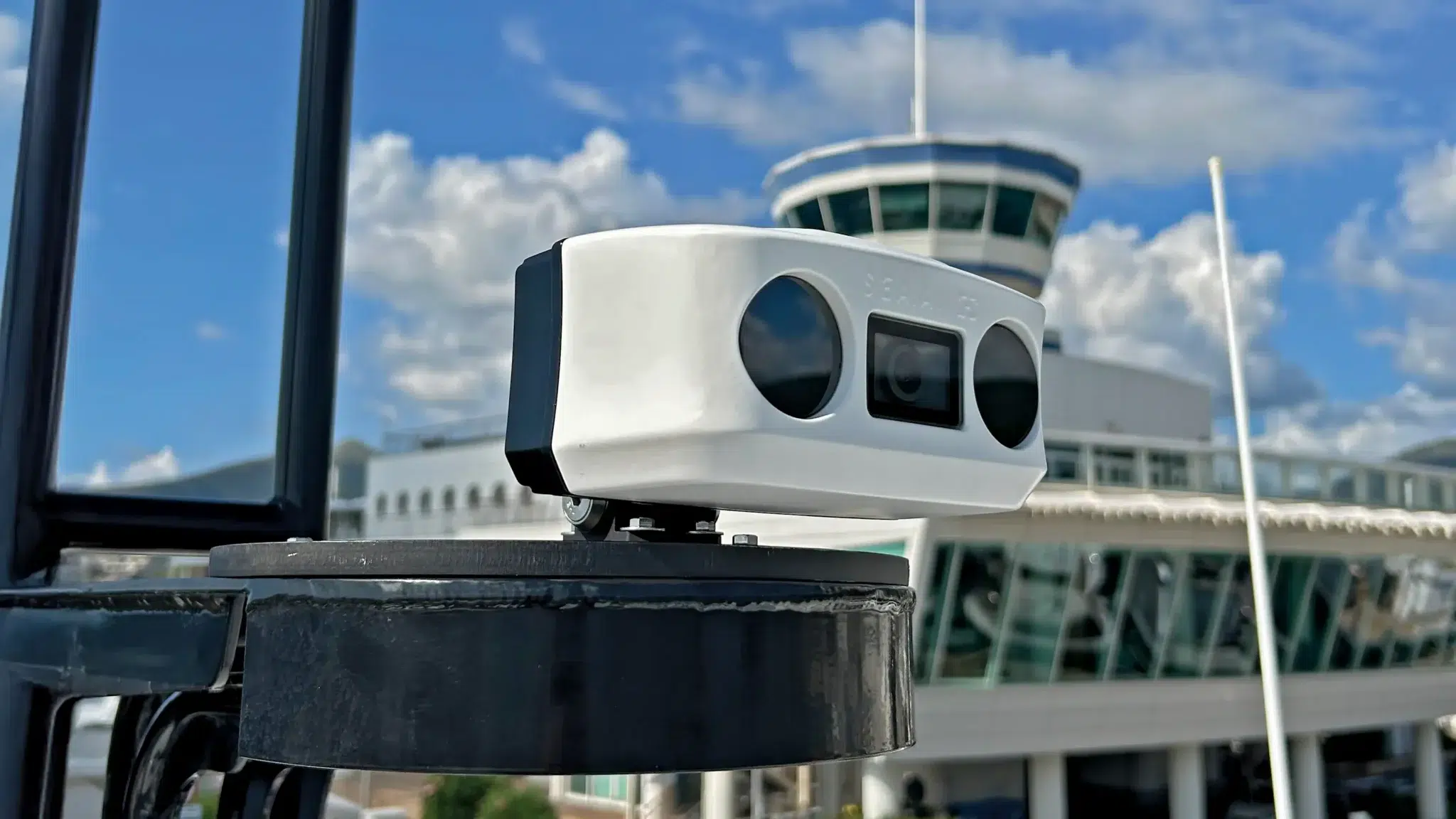
Having an extra set of eyes on the water to spot nonsignaled small craft, debris, shipping containers, and other floating objects would seem like a necessity—and that’s where SEA.AI’s Watchkeeper comes in. The maritime vision camera uses AI to identify hazards that radar or AIS may overlook.
Subscribe Here For More Boating Content
Detecting Small Craft, Debris, and Floating Hazards in Real Time
“While one person is at the helm, the other might be preparing lunch, checking gear, or simply enjoying the ride,” says Solenn Gouerou, head of marketing and communications for SEA.AI, who is based in Port La Forêt, France. SEA.AI is headquartered in Linz, Austria. “Instead of both needing to stay on constant watch, they can relax knowing Watchkeeper is continuously scanning ahead.” If an object appears in their path—such as a small boat or dinghy without AIS—the system issues a clear audible alert so they can react immediately.
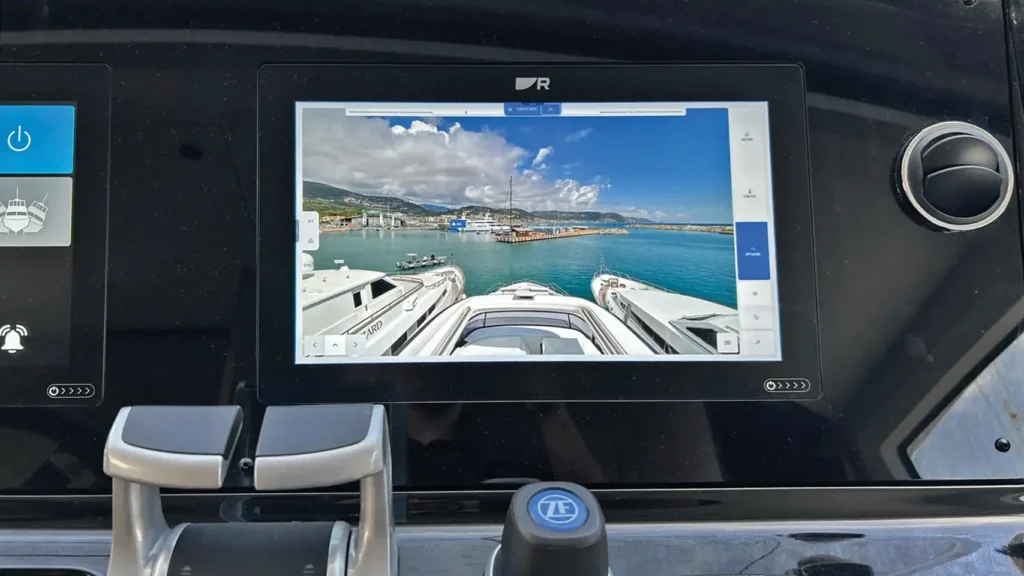
Because the cameras are typically installed at the highest point of the yacht, Watchkeeper also provides a commanding forward view. This elevated perspective makes it easier to spot surface changes, including sandbanks or coral reefs.
Also Read
Born to Roam: Inside the Outer Reef 780 Adventure Explorer Yacht
By Kevin KoenigTruth be told, I’ve long had a soft spot for Outer Reef. Ever since a sojourn Down Under...
Why AI Vision Is a Game-Changer for Cruising
“It’s at night where Watchkeeper truly transforms cruising,” Gouerou says. “Fatigue sets in quickly, contrast drops, and unlit objects blend into the dark. A husband-and-wife team often alternate at the helm, but tired eyes can miss critical details. Watchkeeper detects and tracks all floating hazards, including small buoys or even whales surfacing ahead. The system provides exact bearings and audible alerts, guiding the crew to avoid collision.”
“In the unfortunate event that someone falls overboard, Watchkeeper can detect the person in the water and immediately alert the partner still on board, giving them crucial seconds to react,” Gouerou says.
“When approaching busy docks, Watchkeeper adds another layer of safety. It alerts you to real-life dangers, such as two kids unexpectedly swimming near the dock. In that case, the alert gives the crew enough time to stop and avoid a tragedy.”

Watchkeeper Configurations and Vessel Compatibility
Watchkeeper is available in seven different configurations, depending on the required camera setup and thermal capabilities. Each unit comes with a software license and the first year of service included. After the first year, an annual subscription fee applies based on the system configuration, ranging from about $500 a year for the Lite to more than $1,000 for Watchkeeper 1280. “Any vessel under 60 feet can be equipped with Watchkeeper,” Gouerou says. “We’ve installed it on everything from a 50-foot motor yacht and a 40-foot catamaran to a small RIB. In some cases, owners have installed two Watchkeeper units on the same vessel to meet specific operational needs.”
For motor yachts above 60 feet, a SEA.AI Sentry system is recommended. The Sentry offers a pan-and-tilt configuration for full 360° coverage, a capability not available on Watchkeeper.
By Doug Thompson