


From royal courts to shipyards, Champagne has long been more than a celebratory sip. Explore how this sparkling icon rose to global fame—and why its most storied role isn’t always in the glass, but often in the bow of a launching ship.
By Rhea and Chris Caswell
The History of Champagne: How Sparkling Wine Became a Global Icon
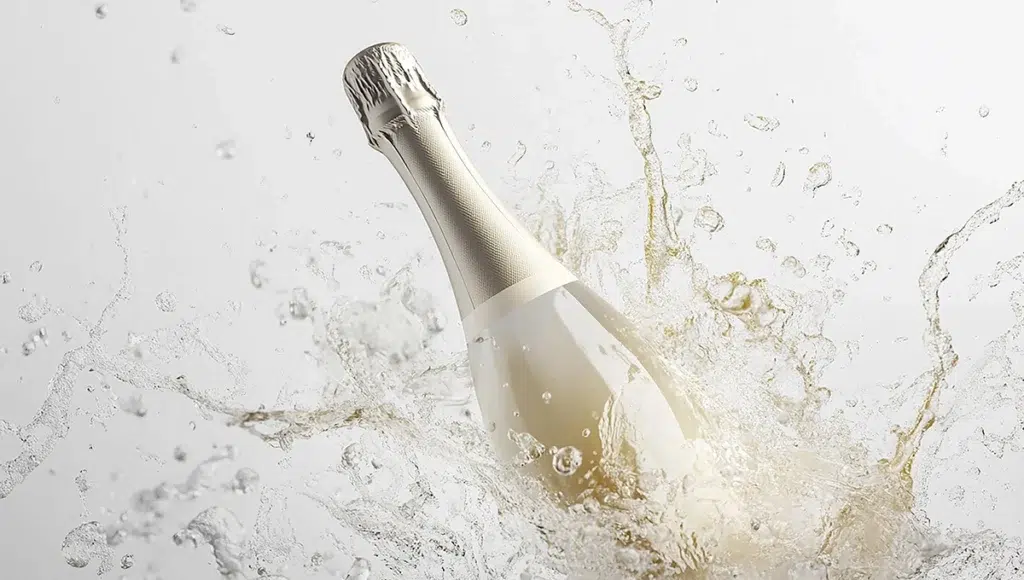
“Come quickly, I’m tasting stars!” cried the Benedictine monk Dom Pérignon when he first discovered Champagne in 1693.
Ever since, this effervescent elixir has been synonymous with celebration, indulgence, and pure joie de vivre. Whether you’re toasting a triumph or soothing a setback, Champagne is the drink that fits every mood—and needs no excuse to be poured. As Coco Chanel famously said, “I only drink Champagne on two occasions—when I’m in love and when I’m not.” Winston Churchill was a touch more practical: “In success you deserve it, and in defeat you need it.” And author Peter Mayle, of A Year in Provence fame, dubbed it “that unfailing restorative.”
Once the exclusive delight of European elites, Champagne eventually crossed the Atlantic when George Washington served it in 1790—and Americans have been joining the merriment ever since.
So, before you dash off to your local Total Wine in search of a few bottles of champers, here are a few sparkling facts worth knowing.
Subscribe Here For More Boating Content
Why Champagne Can Only Come From France
First things first: To earn the name Champagne, those golden bubbles must come from grapes grown in the Champagne region of France. Everything else—no matter how sparkly—is simply sparkling wine.
So what makes Champagne so special? It all comes down to terroir—that magical blend of soil, climate, sunlight, and vintner know-how. A truly great Champagne is all about elegance: fine, creamy bubbles (called “beads”), a fresh, lively aroma, and a tingling finish that lingers long after the sip.
Does vintage matter? Absolutely. Some years nature smiles; other times, not so much. The standout recent vintages are 2002, 2004, 2008, and 2012, with 2002 and 2004 considered exceptional. As for 2013, 2014, and 2016? Let’s just say the experts shrug and say “meh.”
Also Read
The Boats That Built America: The Story Behind America’s Greatest Boat Builders
From mahogany runabouts to deep-V sportfishermen, these American boat builders shaped life on the water for 250 years. By Jesse...
How to Serve and Store Champagne Properly
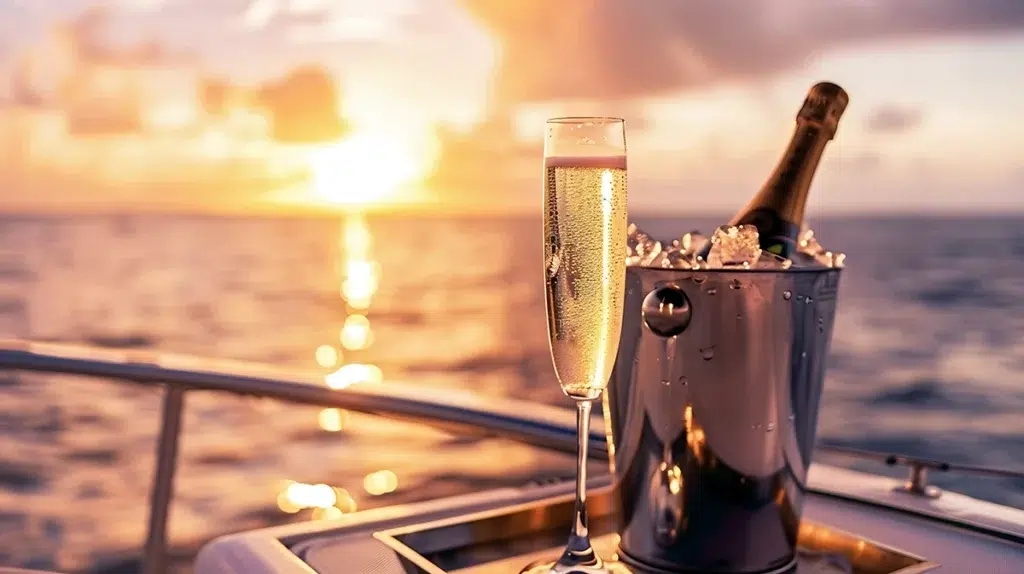
Once you pop the cork, how long will it last? Experts say Champagne is at its best within two hours when kept on ice. You can stretch that by keeping it cool in the fridge with a stopper for the rest of the day. After that, it’s time to make another trip to the store.
Storing Champagne on a boat? Treat it as you would at home—lay it on its side. But since Champagne is under pressure, it’s fine to store it upright in the fridge, too. The vintner at Louis Roederer recommends serving at 50–54°F to bring out the best flavor, while others prefer a brisk 43–48°F. Your call.
Now, how to open a bottle without redecorating your cabin? Unless you’ve just won the America’s Cup, skip the victory spray. A Champagne cork is under serious pressure and has shattered its share of chandeliers. Wrap the cork in a towel, grip it firmly, and twist the bottle, not the cork. The goal: a gentle hiss, not a gunshot, and not a drop lost.
Also Read:
9 New Sportfishing Yachts to Watch in 2026
Updated July 2026 Game On: The Next Generation of Sportfishing Yachts A sportfisherman starts with a simple job...
What are PCs? That’s insider talk for prestige cuvées—the top-tier Champagnes that test your AmEx limit. The first was Moët & Chandon’s Dom Pérignon, launched in 1937 and catapulted to fame when James Bond ordered it in Dr. No. Rhea’s favorite is Louis Roederer’s Cristal—either will set you back up to $400, depending on vintage.
What to pair with Champagne? Let’s start with what not to: peanut butter and jelly. Caviar is the classic, but on a boat, shrimp on ice or a simply grilled white fish are more practical—and just as elegant. Lobster (with butter, of course) is perfectly acceptable, but the best pairing of all? A good sunset.
The vessel? Always a flute. On smaller boats, plastic versions will save you from a deck full of broken glass and regrets.
Champagne Styles Explained
Finally, with so many Champagnes to choose from, where does one start? Follow your taste—and test freely.
Brut
Brut is the driest, perfect as an aperitif.
Blanc de Blancs
Blanc de blancs are dry and toasty, ideal with delicate fish or cream sauces.
Blanc de Noirs
Blanc de noirs bring fruitier notes, great with spicy Asian dishes, Southwestern fare, or grilled swordfish.
Rosé Champagne
Brut rosé adds a romantic pink hue and can range from splurge-worthy (Cristal Rosé at $700) to surprisingly affordable (Moët Impérial around $50).
Choose wisely. And if you see “extra dry” on the label, remember—it’s actually a touch sweeter, making it the perfect partner for dessert.
The History of Champagne in Ship Launchings
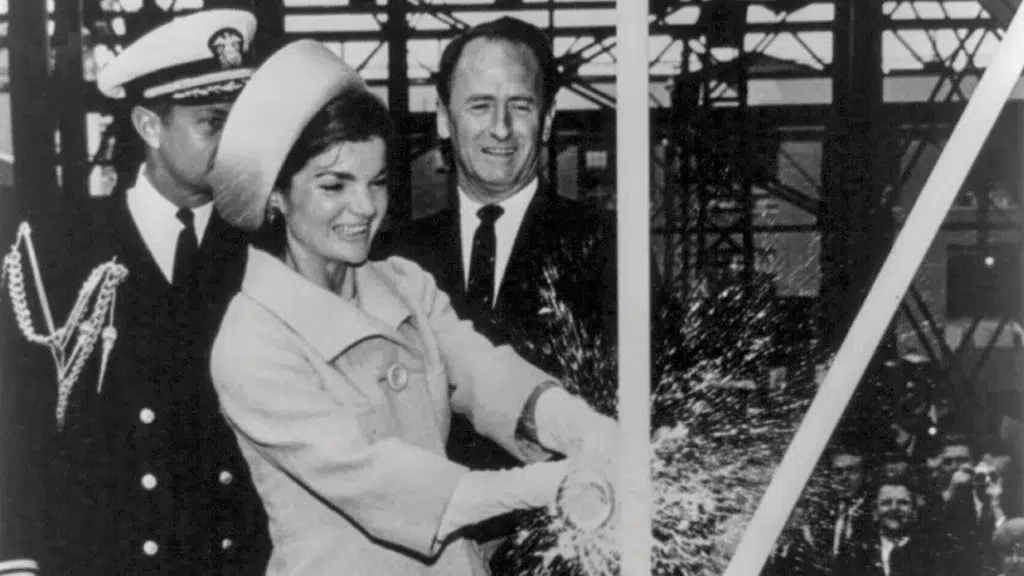
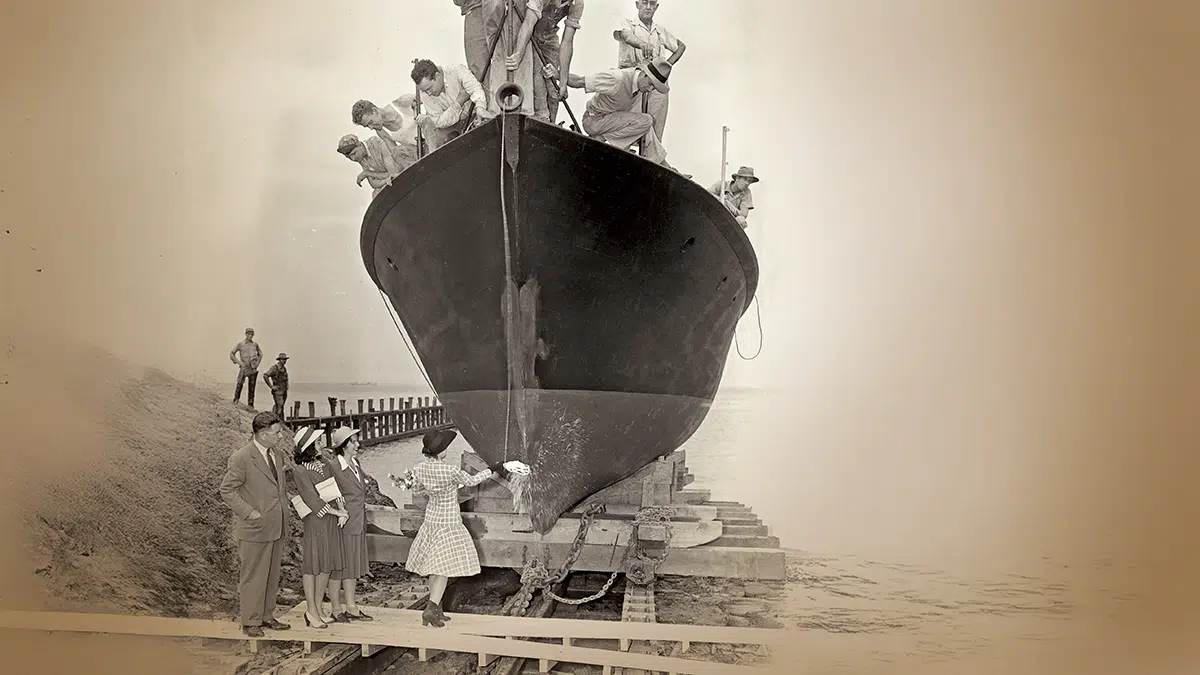
It may seem curious that Champagne’s most distinguished role in the nautical world is not in the drinking, but in the ceremonial breaking of a bottle against a ship’s bow at its launch. Once a simple gesture of good fortune, this ritual has become an essential part of every launch. Consider for a moment that the Titanic was not launched with a bottle of Champagne—you know the rest of that story.
Speaking of history, the story of Champagne and ship launchings had a rather grisly beginning. The Vikings reportedly greased the rails with the bodies of slaves and enemies to help their ships slide into the water. The Greeks, by contrast, were more restrained, pouring water over the bow before enjoying their wine. In the United States, the tradition of using Champagne to christen a ship began with the launching of the USS Maine, the nation’s first steel battleship, when it was christened by the Secretary of the Navy’s granddaughter.
How to Christen a Boat With Champagne
If you’re superstitious, you may want to adhere to certain rules for when to perform the christening. Because Jesus was crucified on a Friday, the Coast Guard delays its christenings until Saturdays; traditionalists, on the other hand, fear Thursday, since it is Thor’s day—the god of thunder and storms.
What to say as the baptism takes place? Keep it simple. Something like, “I name this yacht Mama’s Mink and may she bring fair winds and good fortune to all who sail on her.” Or, “We send this yacht, Daddy’s Babe, to sea, and we ask sailors of old and the gods of the sea to calm her passages and return her safely.”
As a heads-up: A Champagne bottle can be a challenge to break (especially on a fiberglass hull), so many rely on the pre-cut bottles sold in marine stores. These often contain only ginger ale to create the “spray” and, again, you’re tempting Neptune. So, we advise opting for a real champs bottle encased in netting to contain broken glass, finding a sturdy bow fitting, and giving it a Little League swing.
Champagne FAQ
Why do ships break Champagne bottles on the bow?
The tradition dates back centuries and is meant to bring good luck and safe voyages to a vessel and crew.
Can sparkling wine be used instead of Champagne?
Technically yes, but tradition calls for true Champagne from France, symbolizing prestige and celebration.
What temperature should Champagne be served?
Most experts recommend 43°F to 54°F, depending on style.
What is the difference between Champagne and sparkling wine?
Champagne must be produced in the Champagne region of France using specific grapes and production methods.
How long does Champagne last after opening?
Champagne is best within two hours of opening but can last up to a day with a stopper in the refrigerator.










Bravo, the article on Champagne was absolutely Fantastic, superb information on its history and relevant facts of its origin.
Better than any article in Wine Spectrum.
GP