

Corpus Christi Marina
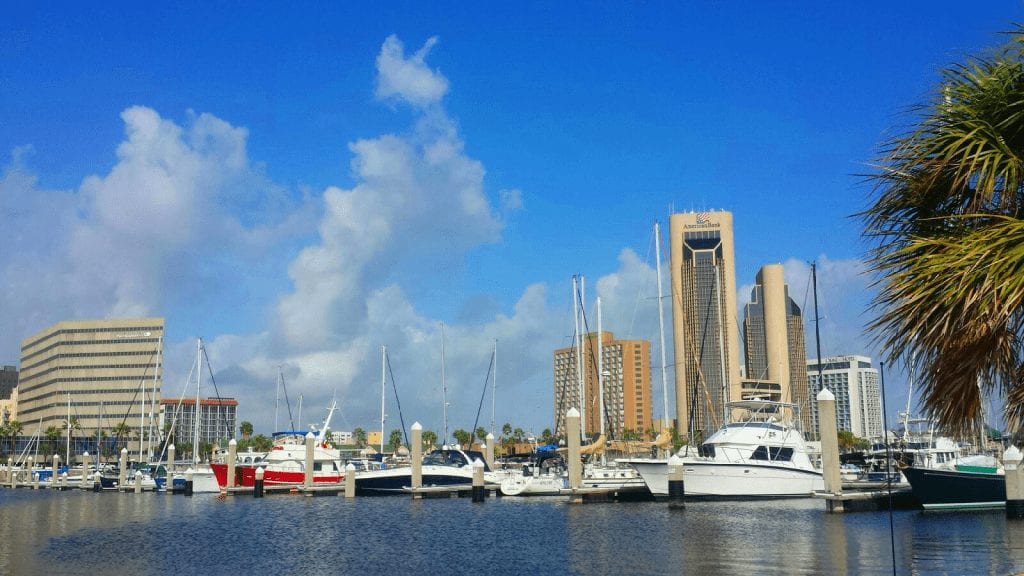
The Corpus Christi Marina now has 600 slips, cruiser’s facilities, three yacht clubs, and a massive public boat ramp. The improvements to the marina district have inspired a Greater Downtown Area of culture, sports, convention and hospitality venues.
The premier boating destination on the Texas Gulf Coast, caps a successful summer of expansion with the dedication of 35 more slips for boats 30 to 45 feet in length—the seventh major addition in the past 16 years.
Infrastructure Improvements
Since 2000, the U.S. Fish and Wildlife Service has provided $1,764,050 in federal funds via Wildlife and Sport Fish Restoration (WSFR) grants specifically targeted at an improved marina infrastructure, access for boaters and improved sanitary facilities to maintain clean water.
The grant monies, matched by the City of Corpus Christi and Texas Parks and Wildlife Department, have built modern septic pump-outs, restrooms and showers, a laundry, meeting rooms, a four-lane boat ramp, and more than 80 slips for boats greater than 26 feet in length at the Corpus Christi Marina.
“This marina is hugely important to both boaters and anglers on the Texas Gulf Coast, and exemplifies how the Wildlife and Sport Fish Restoration Program works in partnership with others to improve boating access and infrastructures,” says Cliff Schleusner, Chief of WSFR in the Southwest Region. “Boaters and anglers paid for it in excise tax, and now they and others reap the benefits.”
The new infrastructure replaces outdated and decayed materials and should better withstand the forces of future hurricanes. A part of the infrastructure upgrades includes Internet systems needed for navigation.
While the marina is the anchor on the Bayfront, civic leaders and business owners continue to expand what’s known as the Marina Arts District. The area features a vibrant nightlife, music scene, art galleries and outdoor art, along with many weekend festivals. marinaarts.com
By Alan Wendt, Southern Boating December 2016