
...
Southern Boating & Yachting
  • Boats
    • Center Consoles
    • Day Boats
    • Downeast
    • Dual Consoles
    • Hybrid Electric Boats
    • Long-range cruisers
    • Motoryachts
    • Power Cats
    • Sailing
    • Sport Cruisers
    • Sport Fishing Boats
    • Superyacht
    • Tenders & Ribs
    • Trawlers & Tugs
  • Destinations
    • Bahamas
    • Caribbean
    • Central/South America
    • Charter
    • Europe
    • Great Loop
    • Pacific
    • U.S. Atlantic
    • U.S. Gulf
    • U.S. Inland
    • U.S. Mid-Atlantic
    • U.S. Midwest
    • U.S. Northeast
    • Travel
  • Engine Room
    • Electrical Systems
    • Engines
      • Electric & Hybrid
      • Inboards
      • Outboards
    • Generators
    • Stabilizers
    • Systems & Pumps
  • Maintenance
    • DIY
    • Haul-Out Guides
    • Refit
  • Electronics
    • Audio
    • Gadgets
    • Helm Electronics
    • Lighting
    • Radios & Communication
    • Other Technology
  • Lifestyle
    • Fishing
    • Finance & Insurance
    • Food
      • Appetizers
      • Dessert
      • Drinks
      • Entrées
      • Holiday
      • Menus
    • Gear
    • News
    • People
    • Safety & Regulations
    • Shop
  • Digital Edition
  • Subscribe
No Result
View All Result
  • Boats
    • Center Consoles
    • Day Boats
    • Downeast
    • Dual Consoles
    • Hybrid Electric Boats
    • Long-range cruisers
    • Motoryachts
    • Power Cats
    • Sailing
    • Sport Cruisers
    • Sport Fishing Boats
    • Superyacht
    • Tenders & Ribs
    • Trawlers & Tugs
  • Destinations
    • Bahamas
    • Caribbean
    • Central/South America
    • Charter
    • Europe
    • Great Loop
    • Pacific
    • U.S. Atlantic
    • U.S. Gulf
    • U.S. Inland
    • U.S. Mid-Atlantic
    • U.S. Midwest
    • U.S. Northeast
    • Travel
  • Engine Room
    • Electrical Systems
    • Engines
      • Electric & Hybrid
      • Inboards
      • Outboards
    • Generators
    • Stabilizers
    • Systems & Pumps
  • Maintenance
    • DIY
    • Haul-Out Guides
    • Refit
  • Electronics
    • Audio
    • Gadgets
    • Helm Electronics
    • Lighting
    • Radios & Communication
    • Other Technology
  • Lifestyle
    • Fishing
    • Finance & Insurance
    • Food
      • Appetizers
      • Dessert
      • Drinks
      • Entrées
      • Holiday
      • Menus
    • Gear
    • News
    • People
    • Safety & Regulations
    • Shop
  • Digital Edition
  • Subscribe
No Result
View All Result
Southern Boating & Yachting
No Result
View All Result
Home Lifestyle Sea Watch
Tsunamis. Tsunami watch, Tsunami Warning, Tsunami Alert, NOAA, earthquake,

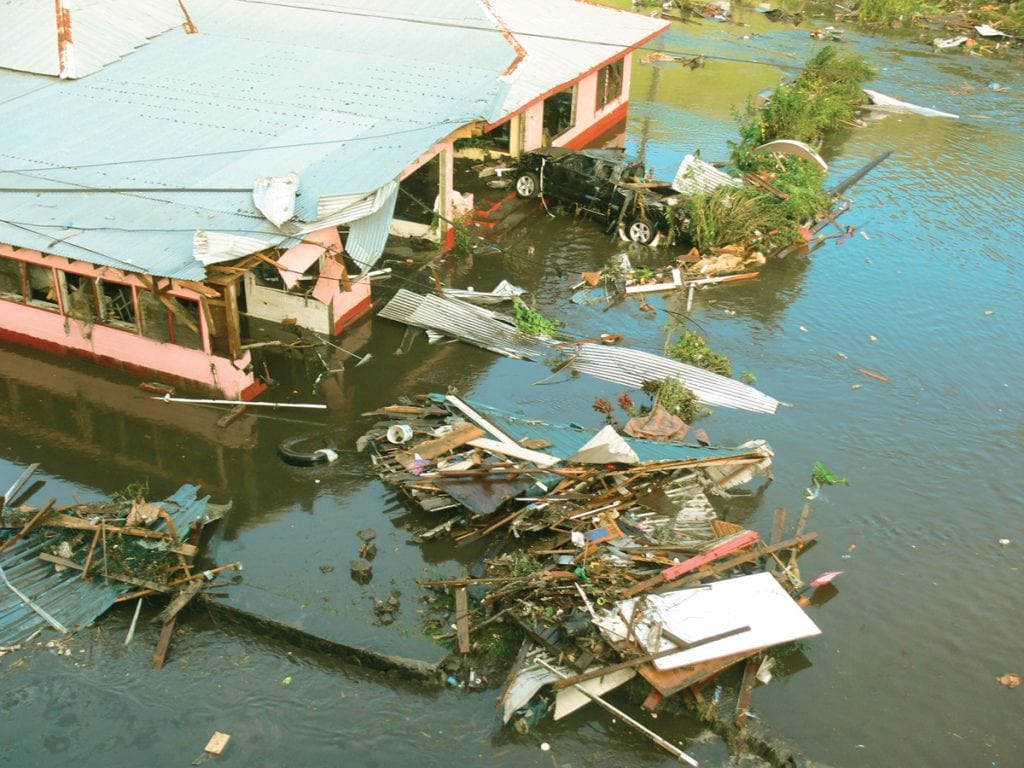
Tsunami Damage

The Tsunami Threat

January 23, 2018
in Sea Watch
0
590
SHARES
3.3k
VIEWS
Share on FacebookShare on LinkedInShare via Email

Last updated: July 24, 2019
Subscribe to the print magazine | $29.95 for 12 issues

Due to its sheer magnitude and velocity, the tsunami is one of the most destructive forces in nature. From the Japanese words for “harbor wave”, tsunamis are actually a series of waves whose crests can be tens or even hundreds of miles apart. When this huge mass of water hits a coast, it can plow inland for miles like a raging river that can be over 100 feet high, and it can destroy everything in its path.

Unlike wind-driven waves or astronomically driven tides, tsunamis are the result of geological activity under the ocean floor, some movement that will cause a displacement
of a large amount of water, such as underwater landslides or volcanic eruptions. But the most significant tsunamis are caused by sudden movements of the sea floor associated
with earthquakes.

In the deep open ocean, a surface tsunami wave may only be a few inches high. But unlike other ocean waves, a tsunami wave extends downward to the ocean floor. This is
a tremendous mass of water, and the wave can be traveling at remarkable speeds of up to 500 mph. As it approaches a coastline and the water gets shallower, the wave slows to 20 or 30 mph; the water piles up, causing a significant rise in ocean level. When it reaches the coast, a tsunami seldom appears as a towering wave but rather like a fast-rising flood.

On average, locally damaging tsunamis occur twice a year, but major tsunami events that can affect areas hundreds or even thousands of miles away from the origin point only
occur about twice per decade. Since 1900, the seismically active Pacific basin has seen nearly three-quarters of all tsunami events. Less than 10 percent occurred in the Atlantic
and Caribbean.

In this millennium, there have been two historic tsunami events. In December 2004, a 9.1-magnitude earthquake off the Indonesia coast initiated tsunamis that killed 250,000 people some as far away as the east coast of Africa. Japan suffered devastating tsunamis that killed 18,000 people after a 9.0 earthquake hit in March 2011. The water traveled as much as six miles inland.

The US Tsunami Warning System run by the National Weather Service protects the citizens of the United States and its territories. There are two Tsunami Warning Centers. The one in Palmer, Alaska, serves the continental U.S., Alaska and Canada. The other in Honolulu, Hawaii, serves not only the Hawaiian Islands and U.S.-owned territories in the Pacific but also on the Atlantic side, Puerto Rico and the Virgin Islands.

To detect actual tsunamis as they are moving through the ocean, NOAA developed the Deep-ocean Assessment and Reporting of Tsunami (DART®) station which consists of a bottom pressure recorder anchored to the sea floor and a moored surface buoy with a transmitter to send information via satellite back to the Centers. The pressure sensor can convert a measured reading to the height of the ocean surface above, and if the system detects an unusual height, it will start sending readings every 15 seconds.

With the greatest tsunami risk in the Pacific region, the DART network of stations runs the length of the Aleutian Islands and southern Alaska as well as along the West Coast and Hawaii. Although the Atlantic is much less prone to tsunamis, there are stations off the East Coast, in the Gulf and off Puerto Rico where meteotsunamis tend to occur. With accelerated development along many coastlines and rising sea levels, future tsunami events could be catastrophic.

When seismic data indicate that a significant earthquake has occurred somewhere around the world, an Information Statement is issued immediately by the appropriate Warning
Center. Next, the nearest sea level gauges are closely monitored to see if a tsunami has been generated and its magnitude. The DART network will activate if a tsunami is approaching. If a tsunami has the potential to affect a covered area, there are three levels of alerts that can be issued by the appropriate Center:

  • Tsunami Watch: an event has occurred but the threat is yet to be determined. The public is advised to stay tuned for more information and be prepared to act.
  • Tsunami Advisory: implies strong currents and dangerous waves near the water and that people should vacate the beaches.
  • Tsunami Warning: dangerous coastal flooding and powerful currents exist. People are urged to seek higher ground and/or move inland. Warnings are typically issued within five minutes of the initiating earthquake. The official tsunami alerts are disseminated by local NWS offices.

Tsunami warnings are just one part of the National Tsunami Hazard Mitigation Program which includes agencies of the Federal government and 28 U.S. states and territories. Another component, Mapping and Modeling, uses computer analysis of possible tsunami events in conjunction with local topography to forecast the magnitude of potential flooding. The Mitigation and Education component is the public outreach to inform citizens of the tsunami risk in their area and what actions should be taken in response to the various advisories. To lessen property damage, land use policy and planning are also advocated.

By Ed Brotak, Southern Boating February 2018

ALL PHOTOS: COURTESY OF NOAA
Tags: giant wavesNOAAsea watchTsunami ThreatTsunamiswaves
Previous Post

Absolute-ly Incredible

Next Post

Red Snapper Count

Next Post
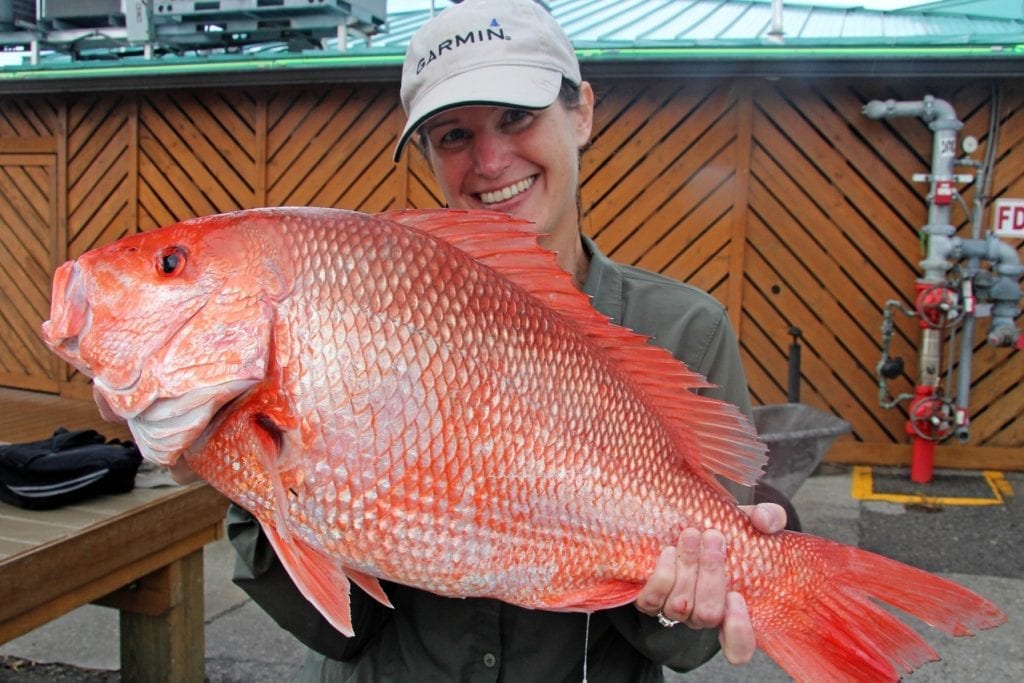
a red snapper in the Gulf

Red Snapper Count

Leave a Reply Cancel reply

Your email address will not be published. Required fields are marked *

Recommended

Pursuit S 428 – FLIBS 2020 Preview

Pursuit S 428 – FLIBS 2020 Preview

October 23, 2020
3.3k
Craftsman applies Awlgrip paint

Hinckley, Awlgrip Celebrate 50 Years of Partnership in Premium Yacht Finishes

July 23, 2026
3.4k

Don't miss it

MarineMax marinas
Business

MarineMax Acquisition: Safe Harbor Agrees to $1.5 Billion Deal

August 13, 2026
3.3k
Lighthouse in Portland, Maine
Destinations

New England’s Best Anchorages for Late-Summer Cruising

August 12, 2026
3.7k
After his boat sank Easton Barrett recorded a farewell message
Safety Gear

A Beacon in the Blue: How a PLB Saved Five Boaters

August 12, 2026
3.4k
ProMariner TruePower Plus 2000PS marine inverter mounted in a boat’s engine room
Electrical

Marine Inverter Sizing: How Much Power Your Boat Needs

August 11, 2026
3.4k
Yacht Interior Designer Kimberly Pucci
People

Yacht Interior Designer Kimberly Pucci on American Luxury

August 7, 2026
3.4k
Boat holding tank maintenance
Boat Systems & Pumps

Boat Holding Tank Maintenance: What Owners Should Check

August 5, 2026
3.4k
Facebook Instagram TikTok Youtube LinkedIn

Navigation

  • About Us
  • Advertise
  • Subscribe
  • Careers
  • Contact Us
  • Terms Of Service
  • Privacy Policy
  • Manage My Subscription
logo

1591 E. Atlantic Blvd, 2nd Floor
Pompano Beach, FL 33060
Office: +1 (954) 522-5515
Contact us: info@southernboating.com


Newsletter

* indicates required

© 2026 Southern Boating & Yachting, Inc.

No Result
View All Result
  • Boats
    • Center Consoles
    • Day Boats
    • Downeast
    • Dual Consoles
    • Hybrid Electric Boats
    • Long-range cruisers
    • Motoryachts
    • Power Cats
    • Sailing
    • Sport Cruisers
    • Sport Fishing Boats
    • Superyacht
    • Tenders & Ribs
    • Trawlers & Tugs
  • Destinations
    • Bahamas
    • Caribbean
    • Central/South America
    • Charter
    • Europe
    • Great Loop
    • Pacific
    • U.S. Atlantic
    • U.S. Gulf
    • U.S. Inland
    • U.S. Mid-Atlantic
    • U.S. Midwest
    • U.S. Northeast
    • Travel
  • Engine Room
    • Electrical Systems
    • Engines
      • Electric / Hybrid Engines
      • Inboards
      • Outboards
    • Generators
    • Stabilizers
    • Systems & Pumps
  • Maintenance
    • DIY
    • Haul-Out Guides
    • Refit
  • Electronics
    • Audio
    • Gadgets
    • Helm Electronics
    • Lighting
    • Radios & Communication
    • Other Technology
  • Lifestyle
    • Fishing
    • Finance & Insurance
    • Food
      • Appetizers
      • Dessert
      • Drinks
      • Entrées
      • Holiday
      • Menus
    • Gear
    • News
    • People
    • Safety & Regulations
    • Shop
  • Digital Edition
  • Subscribe
  • Advertise

© 2026 Southern Boating & Yachting, Inc.

  • About Us
  • Advertise
  • Subscribe
  • Careers
  • Contact Us
  • Terms Of Service
  • Privacy Policy
  • Manage My Subscription
  • About Us
  • Advertise
  • Subscribe
  • Careers
  • Contact Us
  • Terms Of Service
  • Privacy Policy
  • Manage My Subscription