
By Matt A. Claiborne
Tired of putting your boat away for the winter? Or perhaps you live down south, you’re tired of sweating your pants off all summer, and you long for a cool change of scenery. There’s a simple solution: Why don’t you make the transition to becoming a year-round cruiser?
Okay, maybe it’s not so simple. It requires a big-time commitment, cash, and even a change of lifestyle for a few months. But there are many ways to do it, no matter where you are or where you want to go. And who wouldn’t want to retool their lives a bit in favor of more boating each year?
Where to cruise throughout the year by boat
One of the best examples of the migratory boating lifestyle can be found on the East Coast of the United States. Every year, clued-in boaters spend their summers in New England, enjoying cooler temperatures with fewer concerns about tropical weather. When the seasons start to change, these snowbirds migrate south, arriving to find a hurricane-free Florida, Bahamas, or Caribbean. On the West Coast, beautiful summer weather allows you to explore the Pacific Northwest and Inside Passage to Alaska, while Baja and the Sea of Cortez beckon every winter.
Subscribe Here For More Boating Content
How to cruise year-round in North America
For as many boaters as there are doing it, there are just as many ways to make it happen. The obvious choice is to enjoy the trip and move the boat yourself. The journey can be a big part of the adventure, with countless welcoming ports of call along the coast to explore each season as you travel.
If you don’t have the time, you could hire a captain to move your vessel. Then, you just fly to the boat and start your adventure. Professional captains or crews can also be hired to move the boat, lend a hand along the way, or even train you to make the trip yourself in the future. For first-timers, this can significantly reduce the stress of the trip. Professional captain Domonic Ballew, owner of PremiumCaptains.com, says, “Owners generally will learn a lot about situational awareness, solving mechanical problems, navigation, and much more. I find that the peace of mind to have an advanced set of hands in the somewhat likely event of either a system failure—or frankly any issues that require critical thinking and situational awareness—will be a valuable learning opportunity for an owner.”
Planning your migration
There are plenty of logistics to consider before setting out on your first migration. First, there’s the extensive range of options: Where do you go, what do you want to see, and when should you get there? And there are weather concerns, like the best times to travel and the best routes. The boat will need its routine maintenance so that it’s ready to go, and there might be some outfitting to do.
Start by double-checking your insurance coverage—particularly the boundaries of your cruising area. Laura Lindstrom-Croop, an experienced broker with International Waters Insurance Services, says that forgetting to check your policy’s navigational limits is one of the biggest mistakes she sees boaters make. “As long as you are in an appropriately sized vessel for the voyage and you have been boating for a while, most carriers easily add new cruising areas. Unless, of course, that carrier does not write in your new cruising area. Sometimes, a new area involves rewriting a policy with a new carrier. This can be costly midterm, so it’s best to work on this ahead of time.”
When it comes to making big trips, working with a dedicated insurance broker will help you maximize your coverage. There are also special insurance considerations if you’re going to be taking the boat offshore (more than 250 nautical miles or so) or cruising the Caribbean or Mexico.
Also Read
A Measured Way of Getting Your Ocean-Crossing Sea Legs
Want to go long distances but not sure where to start? Lots of Nordhavn owners feel the same way. They...
Routes, weather, and timing
Cruising longer distances requires an intimate understanding of weather and its broad-scale patterns. You’re going to be dealing with unfamiliar winds, tides, currents, and seasonal variances. Having a professional router and weather briefer, such as Chris Parker and his team at Marine Weather Center, can be invaluable during your first forays into long-distance cruising. While many of us have become accustomed to using apps and raw weather data models when navigating close to home, Parker and his team provide insights that the apps can’t. “Models are good about the most likely scenario, but routers factor in possible scenarios that could be problematic, and we coach you to avoid those. The weather models aren’t going to do that,” says Parker.
Another important piece of advice when it comes to planning your first long-distance migration: Don’t cruise on a schedule. To enjoy your trip and take the best weather windows, avoiding deadlines and commitments is paramount. It sounds simple, but it can sometimes be difficult to implement. Who doesn’t want to meet family in the Bahamas for Christmas or July Fourth on the Vineyard? But problems and stress set in when plans are made, family and friends have bought tickets, and then you’re laid up somewhere hundreds of miles short due to maintenance, weather, or something else. Being flexible and having a Plan B are essential cruising skills, and your guests should understand that from the outset.
Finally, don’t forget to savor the journey—it pays dividends to slow down a little. An experienced cruiser in addition to being a weather forecaster, Parker notes, “One thing boaters tend to do, and we did it when we went cruising, is be a little too aggressive with planning. On a one-month trip, you might plan to do all of the Bahamas. But if we did that, we’d be moving every day.” It’s far better to be less aggressive with planning so you can spend more time in each place. Not only do you get to enjoy it more, but it also means you get the pick the best weather windows. “If you’re only moving two days a week, you can pick the best two days to move.”
Should you move your boat—or charter instead?
If it’s not practical to use your own vessel, you could always charter one that suits the adventure. But, be warned: Once you open the door to chartering, there’s an entire world of options. The Moorings’ website lists bases in nearly 20 different destinations, a selection of the best cruising grounds the world has to offer. Plus, you’ll get experience handling different boats and a way of boating that completely bypasses the drama of moving your own boat that whole way. Captain Ballew is a fan of chartering for a stress-free vacation: “My favorite brand of boat is OPB [other people’s boats]. Enjoy the time spent and fly home with zero worries.”
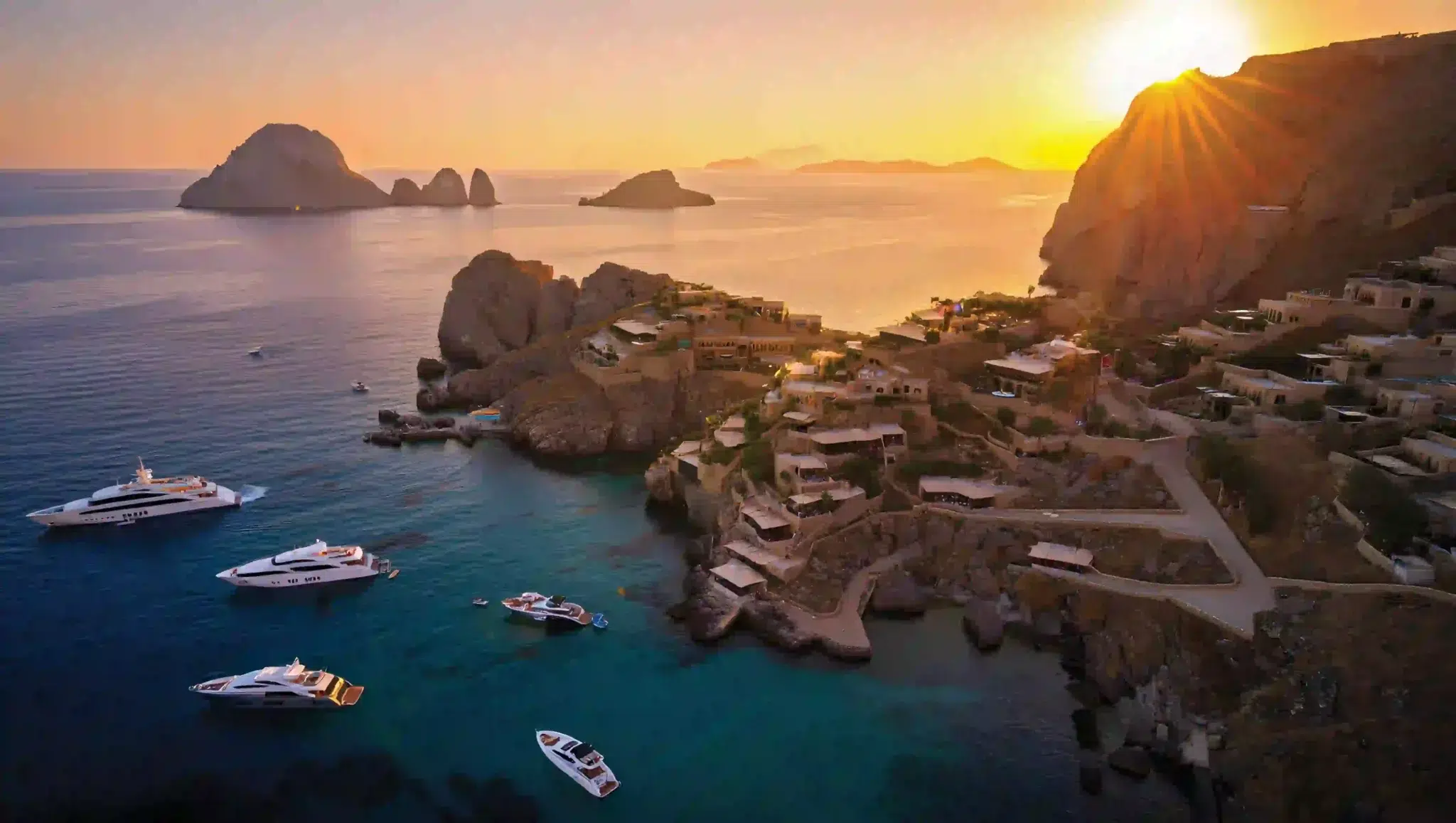
Popular chartering hubs in the Bahamas and Eastern Caribbean include the Abacos, Exumas, British Virgin Islands, St. Martin, and Grenada. But that’s thinking small when it comes to chartering. If you’re getting on a plane and exploring the world, why not head farther afield? Tahiti or Thailand could be a nice change, or perhaps somewhere in the Med? Croatia, Turkey, or even the French Riviera can oblige. Once you start shopping, you’ll find you’re spoiled with choices, of both destinations and types of yachts you can take out.
If you want to keep your boating exciting throughout the entire calendar year, you’re going to need some destinations to get you and your crew ready to cast off the lines. Here’s a look at where to go and when.
Spring Cruising Destinations (March–May)
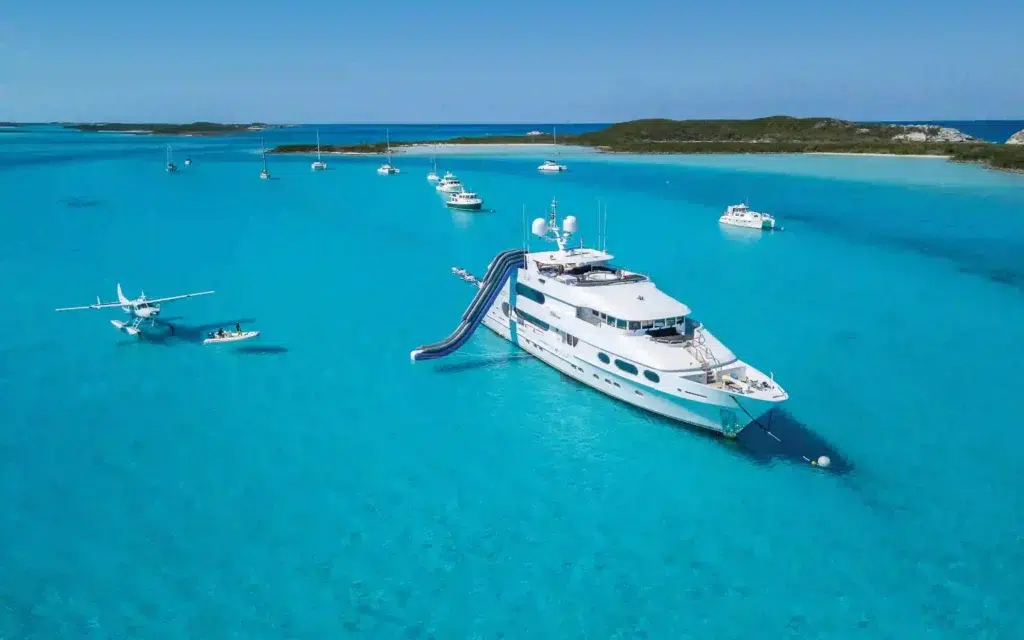
The early months of the year bring new possibilities no matter where you boat, but the weather can still be challenging. It’s too early to de-winterize in many higher latitude locations, and cold fronts mean you must carefully consider temperatures, winds, and squalls as they dip as far south as the Florida Keys, Southern Bahamas, and Eastern Caribbean.
Finding just the right window to move during these months can be tricky. According to Parker, many boaters want to head north too early in the season. If you do, you’ll still be dealing with winter cold fronts that kick up mean winds and seas. A better idea, he says, is to wait until May and June before departing northbound out of Florida or the Bahamas.
If Seasonal Affective Disorder is setting in and you need to get out of the northern mud months of late winter and early spring, it might be the perfect time to dip your toes into the world of chartering.
Best Places to Cruise in Spring
- Florida Keys
- The Bahamas
- Southeast Coast & North Carolina
- Pacific Northwest
Florida Keys. The Keys represent the ultimate destination for many U.S. East Coast cruisers, with a season of fresh lobster or stone crab to keep you company. Home to the only living coral reefs in the continental U.S., the Keys are also the place to go for good times on the water, be it backcountry or deep-sea fishing, diving, snorkeling, or any other watery pursuit.
The Bahamas. Starting just 50 miles off the Florida coast, the many island chains that make up this country mean that you could spend years exploring and still not see all of its beautiful anchorages and welcoming Out Island communities.
North Carolina and the Southeast Coast. As the winter cold fronts begin to fade, the boating season opens up first on the southeast coast, from North Florida to the Outer Banks of North Carolina. All present options for small town visits and postcard-worthy ports to explore, but North Carolina and the Outer Banks are particularly inviting for visiting boaters.
Pacific Northwest. Puget Sound is home to plenty of year-round boating, but in-the-know locals start exploring this beautiful area earlier in the spring. Getting a jump start here, as in southern New England, means beating the crowds and enjoying a quieter outing than you will during the middle of summer.
Also Read:

Best Spring Fishing Gear for 2026: ICAST Award-Winning Picks
Rounding out your spring fishing arsenal? Here are four ICAST award-winning suggestions. By Tom Schlichter Why Spring Is...
Summer Cruising Destinations (June–August)
Summer is the highlight of the boating calendar for most of us, but it also opens up new cruising grounds to boaters from down south. It’s really hard to beat a summer of cruising Maine or Nova Scotia, where the cool water temperatures make a natural air conditioner as the sea breeze flows through your hatch. Other cool options include Alaska and the Great Lakes.
Summer brings a break from those pesky cold fronts, but it also brings an increased risk of afternoon thunderstorms to most regions.
Overseas, summer is the peak cruising season in Northern Europe, too, and it’s peak time to head over for a charter in the Mediterranean, if the mood strikes.
Best Places to Cruise in Summer
- New England & Maine
- Great Lakes
- British Columbia & Alaska
- Mediterranean & Northern Europe Charters
New England. Summer for some means hanging out in southern New England, between Long Island Sound and Cape Cod. That’s where you’ll be treated to clam bakes, fresh lobster, gorgeous sand beaches, and charming old seaside communities. The more adventurous boaters will continue their travels and head off to the Maine Coast for long days of hiking Acadia National Park or even cruising into Canada to explore the Bras d’Or Lakes.
Great Lakes. Summer is the boating season for the Great Lakes, from the clear, pristine waters of Lake Superior to the winding backwaters of Georgian Bay on Lake Huron. Great Loopers know the many ports along the way, but it’s perfectly possible to get yourself to the lakes and spend several seasons exploring—as long as you’ve got a winter plan sorted.
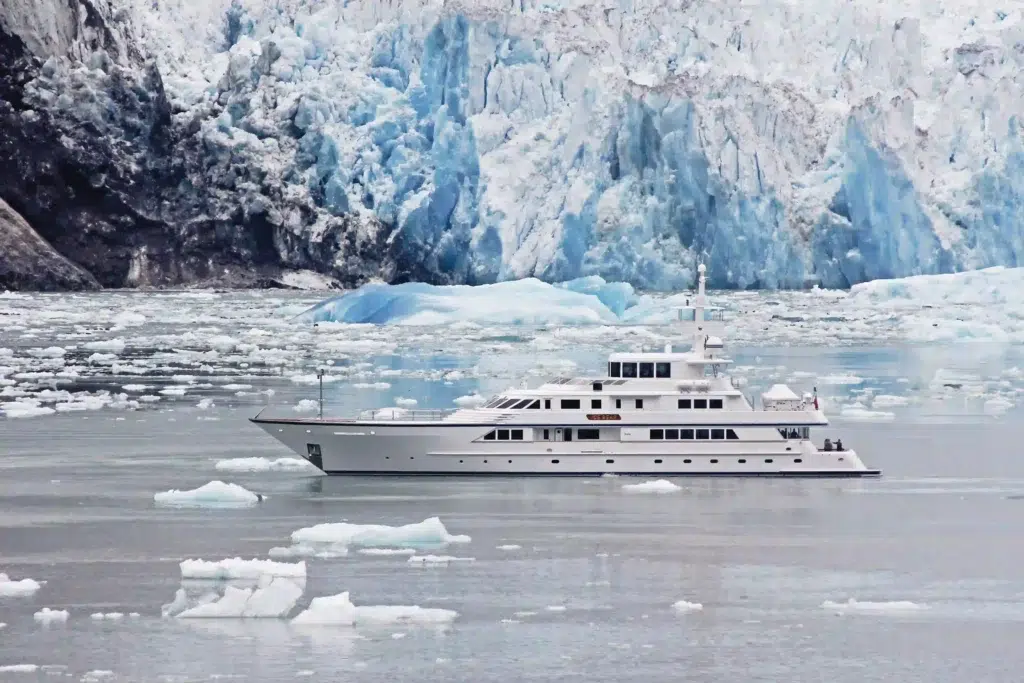
British Columbia and Alaska. On the West Coast, the ultimate summer adventure is exploring the Inside Passage route to Alaska. Some may say it’s the perfect summer cruise —challenging, yes, but also rewarding in terms of scenery and adventure.
Chartering Options. Summer is the peak tourist season in places like the Mediterranean, where chartering options abound. Aim for shoulder seasons, and you’ll get better weather and fewer crowds. Look into charters in unconventional places like Scandinavia, the French canals, or Puget Sound.
Fall Cruising Destinations (September–November)
Late summer and autumn are the times to avoid the hurricane belt and any trouble that comes your way. Remember, storms on the East Coast sometimes affect Chesapeake Bay and New England, including even Maine and the Canadian Maritimes. The remnants of a storm or an early-season nor’easter can wreak havoc on your plans.
The peak of the Atlantic storm season occurs on September 10, which coincides with the start of many boats’ southward migrations. Chris Parker’s advice, when it comes to dealing with tropical weather, is to know where you can get far away from open water, and to get there early. Spots like the western end of Long Island Sound or northern Chesapeake Bay offer more protection and are not exposed to the fetch of the open ocean.
Heading farther south than Chesapeake Bay is usually delayed until mid-October for two reasons: First, once you’re on the southeast U.S. coast, your options for avoiding a fast-moving hurricane narrow. Secondly, many boaters plan their trips to attend the Annapolis Fall Power and Sail Boat shows, which take place on consecutive weekends in early October. By the time late October rolls around, morning temperatures in the Bay are dipping sufficiently to encourage even the hardiest boater that it’s time to start southing.
The transition months from fall to winter are especially brutal weather-wise. If you wait too long to depart, frequent cold fronts mean bone-chilling mornings and sometimes gale-force winds with very rough seas. But if you leave too soon, you’ll be dealing with a greater risk of tropical weather coming from the south. But it’s important to keep an eye on the tropics well into November and beyond. “Interestingly, there’s not a single month on record without tropical activity in the North Atlantic,” Parker says. Still, today’s forecasts are very good, and with enough notice and early action, boaters can usually get out of the path of late-season tropical systems. Cold fronts are another story. A typical strong cold front can bring gale-force winds across all locations, from New England down to the Caribbean, making this the weather event everyone has to deal with several times each season.
Best Places to Cruise in Fall
- Chesapeake Bay
- Atlantic Intracoastal Waterway
- California Coast & Baja
- New England & Canadian Maritimes
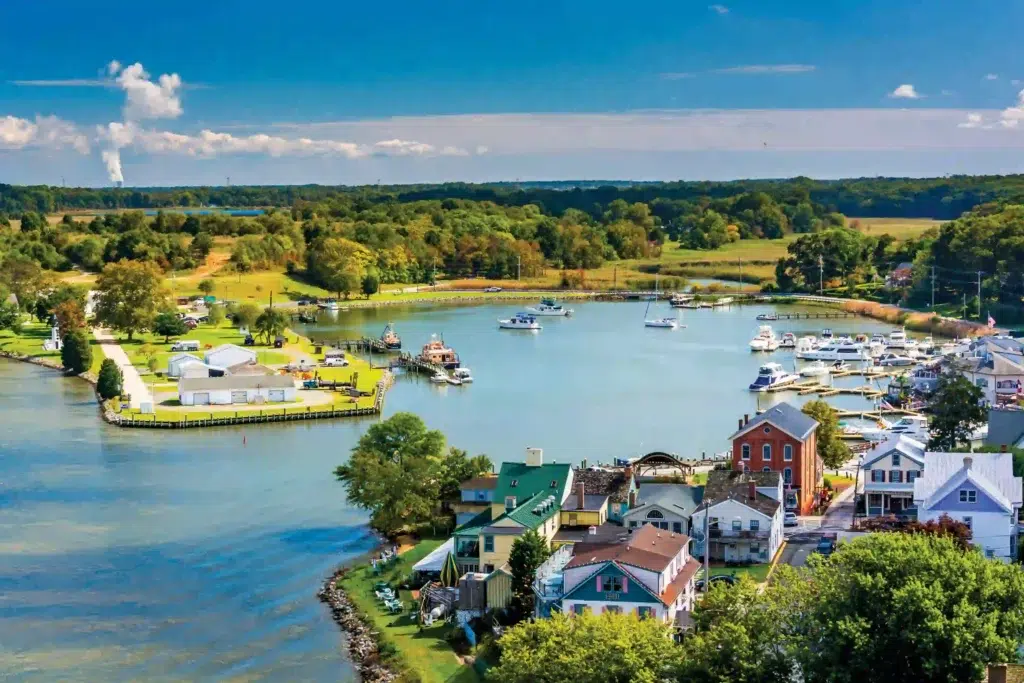
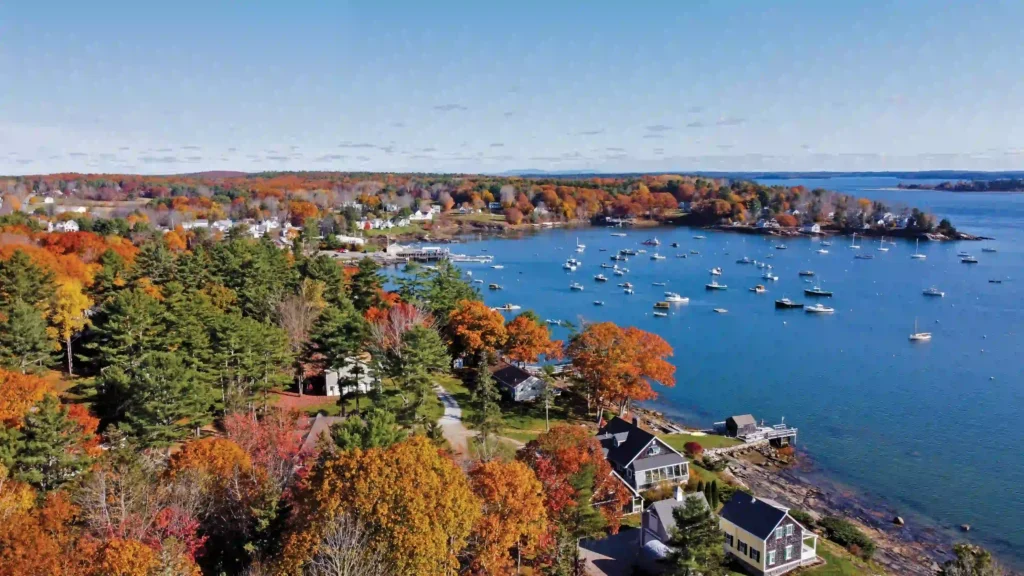
Chesapeake Bay. Many migrating boats will find themself in the Bay during fall. That’s a bonus, because it’s the perfect time to explore this slice of boating heaven—fall brings lovely colors and mild temperatures to the numerous winding creeks and rivers. Gunkholers can enjoy endless bucolic anchorages, while townies can enjoy crabs and brews at countless ports, big and small.
Atlantic Intracoastal Waterway. Fall sees masses of boats traveling south along the ICW, bridging the gap between their summer cruising grounds and wherever they’re planning to winter. But too many boaters get into an ICW rut, chugging along day after day without stopping to enjoy the beautiful port towns and cozy anchorages. Take your time and explore the alternate routes, like the beautiful Dismal Swamp Canal or Pamlico Sound, as well as river cities that don’t require too many extra miles under the keel.
California Coast and Baja. For cruisers heading south along the West Coast, fall means getting staged for the right time of year to head to Mexico. The Baja Ha Ha Rally departs San Diego in November for the jump down the Baja coast to La Paz.
Canada and New England Foliage. If you’re not migrating with the season, some boaters still extend their season a bit, enabling them to enjoy scenic voyages with the family. It’s a change of pace to head out on the boat bundled up, and your favorite coves will look like another world once peak color arrives.
Winter Cruising Destinations (December–February)
Once you embrace the idea of migrating with the seasons, pink fluid and winter storage yard bills become a thing of the past. Instead, boating during the colder months becomes the goal—the thing you’ve been planning for all year.
So, where will it be this season? For East Coasters, you won’t be lonely if you choose Florida or the Bahamas. For the passagemakers among us, October and November are traditionally the months to head offshore and make for the Caribbean (with a careful eye on the tropics, and the willingness to delay departure until the forecast is clear, of course). Likewise, you’ll probably make a few buddy boats if you’re sailing south along the West Coast bound for Baja and the Sea of Cortez.
As winter progresses, the primary weather drivers once again become cold fronts. These bring squalls and thunderstorms briefly, followed by a day or two of cold air and stiff breezes. Even as far south as the southern islands of the Bahamas and northern Caribbean, you’ll be watching cold fronts and planning to deal with the weather they may bring.
Best Places to Cruise in Winter
- Florida
- Bahamas & Caribbean
- Sea of Cortez
- Southern Hemisphere Charter Destinations
Florida. You can’t talk about places to spend winter without mentioning the Sunshine State. Boaters are just one type of snowbird the state welcomes, as many second-home owners and RVers also make the trek down I-95 to the land of sun, sand, and year-round boating.
Caribbean. If you’re on the East Coast and want to head farther afield, the Caribbean is the natural choice. Boaters tend to make the trek one of two ways: either head offshore and make a long passage from the Southeast U.S. or New England coasts, or island-hop their way south through the Bahamas (a route dubbed the Thorny Path for its many trials).
Sea of Cortez. While the East Coast dreams of Bahamian or Caribbean islands, the Sea of Cortez beckons West Coasters. Rugged desert landscapes, countless coves, and clear, warm water mean a winter season under the sun and away from it all.
Charter Options Abound. If you’re open to chartering, it’s easy to keep the summer boating vibe going year-round: Just head to the Southern Hemisphere. New Zealand, Australia, French Polynesia, or Fiji—take your pick. Plus, there are plenty of tropical destinations left to explore, such as Thailand, the Seychelles, the Bahamas, and the Caribbean.