

Tarpon Springs, Florida
It’s all Greek to me! Traditions run deep in Tarpon Springs.
North of Tampa Bay on Florida’s Gulf Coast, the Anclote River marks the end of the Florida Gulf Intracoastal Waterway Mile 150 and the entrance, upriver, to the city of Tarpon Springs, a true gem for visitors arriving by land or sea.
This quaint and picturesque community carries a history steeped in Greek culture, heritage, and religion, the stories of which are displayed throughout the town on murals and carried on through traditions that are sure to make an impression. It makes sense; Tarpon Springs boasts (by percentage) the largest population of Greek Americans anywhere in the U.S.
Spongey
Permanently enriched by the Mediterranean heritage brought by the sponge divers and their families who arrived at the turn of the 20th century, the Hellenic influence remains strong in Tarpon Springs to this day. George Billiris was a prominent citizen and personification of the history and culture of Tarpon Springs present and past.
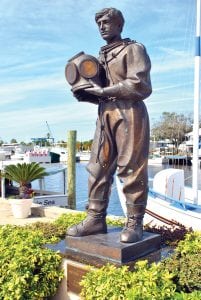
Greece had a thriving sponge industry and the only sponge divers in the world, and around 1900, his grandfather emigrated from Greece to develop and work in the sponge industry in Tarpon Springs, where an abundance of sponges was found, which led to migration. In 1940, George was 14 years old and joined the family tradition of diving for sponges. Right up until his death in 2016 at age 89, he was operating a sponge business from a small office along the city’s sponge docks. George’s son now runs the business and carries on the family customs.
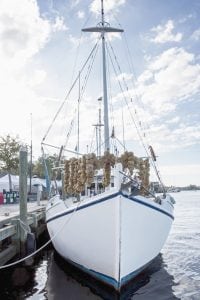
Sponge Docks
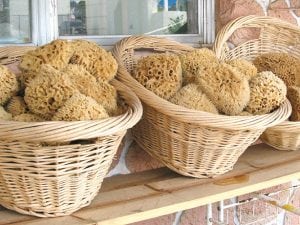
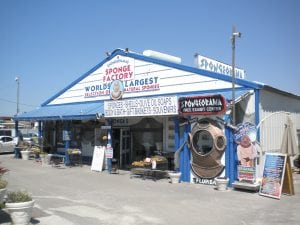
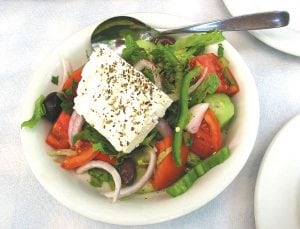
Indeed, the Greek influence here is strong along Dodecanese Boulevard, commonly referred to as the Sponge Docks. Enjoy strolling in the Greek fishing village, savor authentic dishes at the many Greek restaurants and shop for sponges—the Sponge Factory or Spongeorama are worthwhile stops—and other delights at stores lining the boulevard.
There, you’ll also find the city marina and a visitor center that offers area information, including a detailed map. When you’re all shopped out, consider dining at Shrimp Wrecked, Mykonos or Rusty Bellies to replenish your energy reserves. Or shop ’til you drop at The Sponge Exchange, an outdoor shopping mall with interesting stores, Anclote Brew and Mom’s Restaurant. If you’re up for a leisurely boat ride, along the docks are several boat charters you can board for a sponge diving experience, dolphin viewing or a trip to the beach at Anclote Key. Spongeorama also offers excursions to see dolphins and go to the Anclote Key beach for shelling and finding sponges.
Historic Sites and Sights
It is about a five-minute car ride to the Old Downtown and Historic District, or take the bus or trolley. In the early 1900s, downtown Tarpon Springs was the major center for shopping in this area. The Victorian-style buildings date from 1894 to 1943 and are another representation of the rich heritage of Tarpon Springs. Walk the brick sidewalks under tree canopies, or find a quiet bench and sit between old-fashioned street lamps.
The historic buildings are still a center of commerce for antique shops, boutiques, art galleries, cafés, two microbreweries, bed-and-breakfast inns, and specialty stores. Top-quality, chef-owned restaurants and cafés provide mouthwatering menus flaunting seafood, steaks, Greek favorites, and the chef-owners’ own specialties. The Chamber of Commerce at the corner of East Tarpon Avenue and Pinellas Avenue is a good resource for maps and other helpful information, while the Historical Society Museum & Visitor Center is housed in the original train depot—built in 1909—at 160 East Tarpon Avenue.
Cultures Collide
The City Library, Cultural Center, Tarpon Springs Performing Arts Center, Heritage Museum, Safford House Museum, and the St. Nicholas Greek Orthodox Cathedral are also located in this area. Devotion to Christianity and the Greek Orthodox Church is what led the parents of Nicholas and Peter Stamas from New York City—after emigrating through Ellis Island—to Tarpon Springs, where they opened a hotel and restaurant.
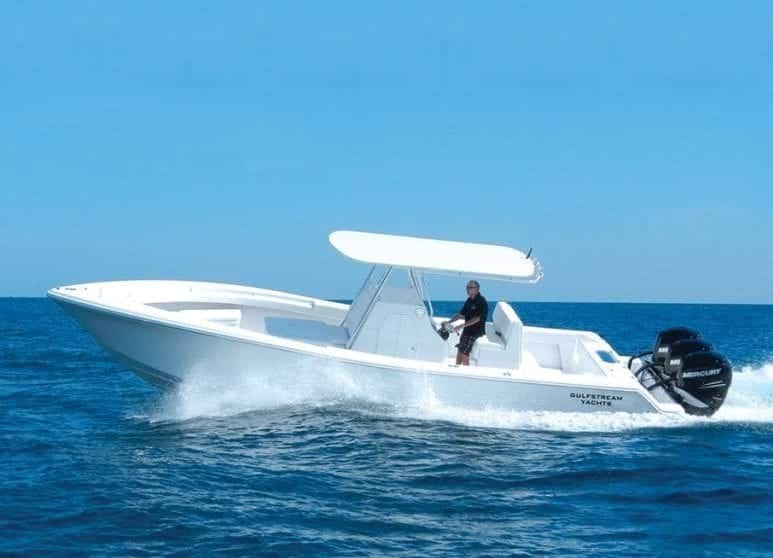
It was in the back of that hotel, in the late 1930s, where Peter and Nicholas built their first boat, a 22-foot wooden cruiser that was awarded first place at the Florida State Fair. Their influence came from Greek craftsman highly skilled at building strong seaworthy vessels, and it was in this unique environment that the Stamas brothers began building boats.
How Did Tarpon Springs Get Its Name?
Tarpon Springs is a short distance up the Anclote River at the north end of Pinellas County. It’s quite well known for its Greek heritage and food and for its downtown sponge docks and boats.
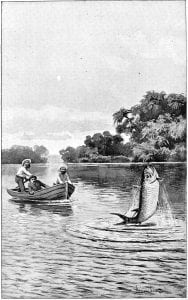
It turns out that the first non-native settlers in Tarpon Springs, A. W. Ormond and his daughter Mary were from Nassau, The Bahamas. They arrived in 1876 and lived on Spring Bayou which connects to the Anclote River. Mary loved to watch the huge schools of fish in Spring Bayou at certain times of the year. The story goes that she started calling it Tarpon Springs.
The problem was, those fish weren’t tarpon; they were mullet, but Tarpon Springs it is. The city celebrates its Greek culture and history at the downtown Sponge Docks, and the Opa! Palooza Greek Festival is June 14-15.
Tradition Runs Deep
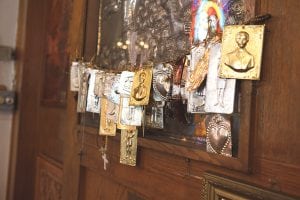
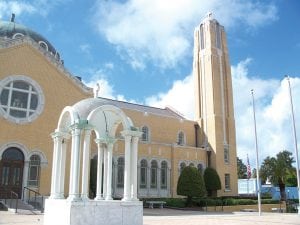
Today, after 65 years, Stamas Yachts is the oldest, continuously family-owned boat company in the U.S. Actually, the epicenter for all things Greek in this town might just be the St. Nicholas Greek Orthodox Cathedral. The first structure was built in 1907, and then replaced by the much larger St. Nicholas Cathedral in 1943, and is named after Saint Nicholas, the Patron Saint and protector of all mariners.
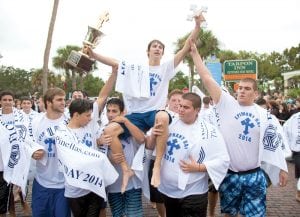
The Cathedral is not only beautiful, but it is also home to the largest Theophany celebration in the Western Hemisphere on January 6th, which marks the Christian celebration of Epiphany. The annual event is marked with a procession from the Cathedral to a platform on Spring Bayou. The Archbishop bestows a blessing of the waters, releases a white dove and throws a crafted cross into the water. Then, dozens of 16- to 18-year-old boys dive into the water in search of the cross; the boy who retrieves it is said to have blessings for the rest of the year.
This celebration also includes a “Blessing of the Fleet,” dining, dancing, and revelry as a part of Epiphany’s “Glendi,” the Greek word for festival.
Brother Nature
For visitors who are more inclined to celebrate the outdoors, Tarpon Springs’ warm winter waters are home to manatees and dolphins, while in the spring, eagles and osprey can be
found on their large nests feeding offspring. All this can be experienced by kayak, canoe, nature trails, and tour boats in the beautiful bayous that run through the city. Investing time to explore the many parks throughout the area is well spent since sheltered picnic sites, walking trails, fishing, water access, playgrounds, and wildlife are found in most.
Anclote Key Preserve State Park is located three miles off the coast of Tarpon Springs and is only accessible by boat. Whether you come for the culture and heritage or the shopping and dining, Tarpon Springs will certainly take up residence as a fond place in your heart and memories. Opa!
Cruiser Resources
Marinas
Anclote Harbors Marina
523 Anclote Road
(727) 934-7616
ancloteharbors.com
Anclote Isles Marina
331 Anclote Road
(727) 939-0100
ancloteisles-marina.com
Anclote Village Marina
1029 Baillies Bluff Rd.
(727) 937-9737
anclotevillagemarina.com
Belle Harbour Marina
307 Anclote Road
(727) 943-8489
belleharbourmarina.com
Port Tarpon Marina
527 Anclote Road
(727) 937-2200
porttarponmarina.com
Tarpon Landing Marina
21 Oscar Hill Road
(727) 937-1100
Tarpon Springs Municipal Marina
100 Dodecanese Blvd.
(727) 937-9165
ctsfl.us/marina.htm
Turtle Cove Marina
827 Roosevelt Blvd.
(727) 934-2202
turtlecove-marina.com