
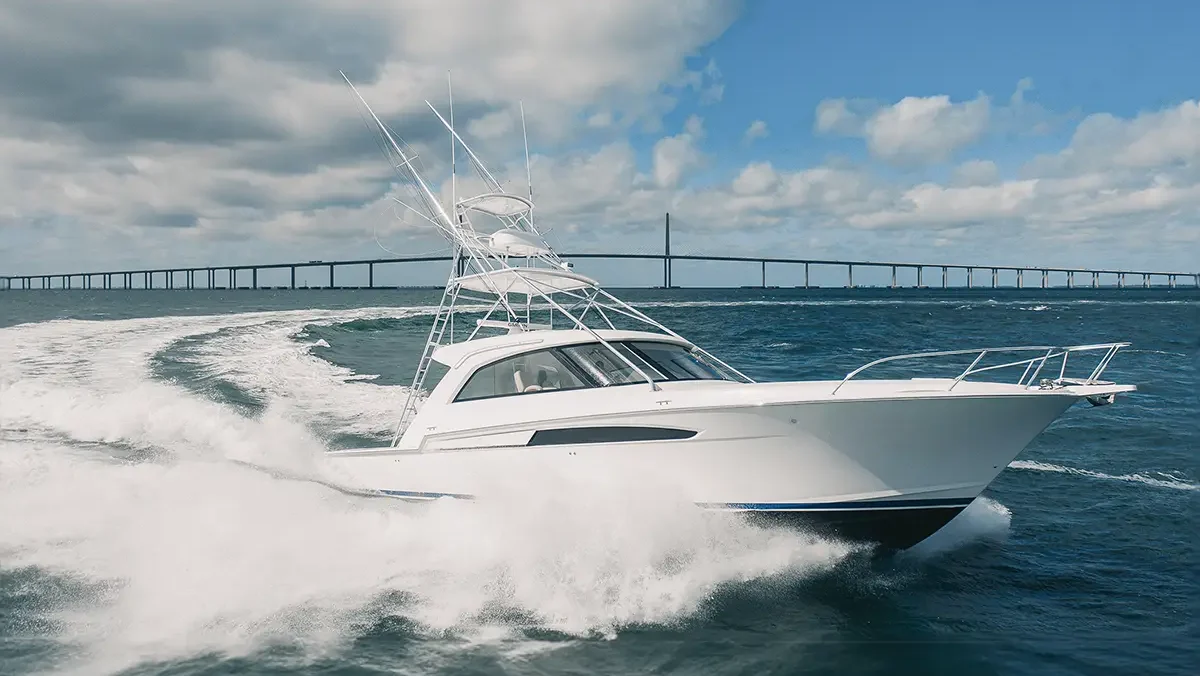
These new sportfisherman boats will get you to the fish fast and in style.
A motor boat equipped for sportfishing is how Merriam-Webster defines sportfisherman. It’s true that the sportfisherman is designed for fishing, especially in open water, but there is so much more to it than that, such as in performance, electronics, rigging, accommodations, storage, and amenities. They are bluewater battlewagons, strong, yet lightweight, that can travel great distances in search of sport fish, such as sailfish and mahi-mahi, that require a fighting chair to wrestle them in. The cockpit is like a dance floor with plenty of space to move around, and the luxurious accommodations offer stylish yacht living. In fact, the entire design is a style all its own. Here are some of the latest models, some still in the build phase.
Jarrett Bay
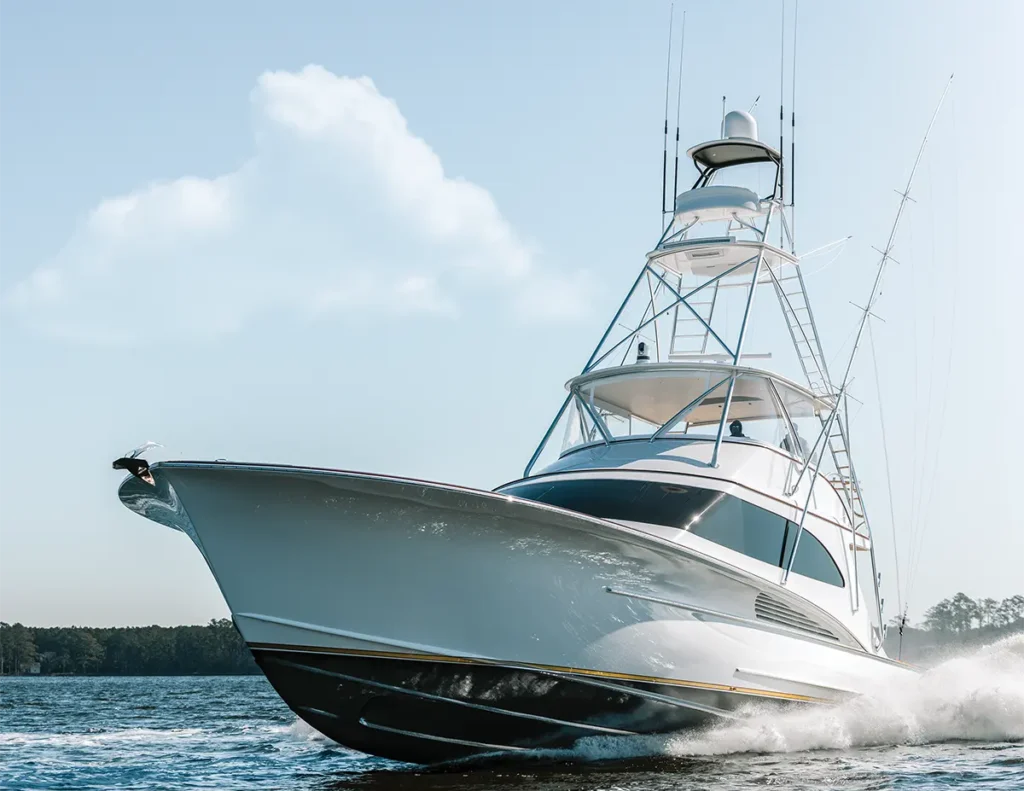
Utilizing lamination and infusing processes with cutting-edge materials, Jarret Bay has crafted its newest 68-footer to deliver enhanced performance and safety. With its signature “Carolina flair,” the 68 (68′ 10″ LOA, 20′ 2″ beam) runs wide open at 44 knots, thanks to the twin 2,400-hp Caterpillar C32B diesel power plants. Stabilized with triple Seakeeper 9 units, this yacht’s wide beam can tame any seas. Fishing amenities include a 160-gallon transom baitwell with a glass front and a cockpit-mounted 11-hole rocket launcher or fighting chair. The mezzanine deck is deep, with air-conditioned seating and storage for an insulated icebox, refrigerated drink box, and refrigerated bait tray. jarrettbay.com
Henriques Yachts
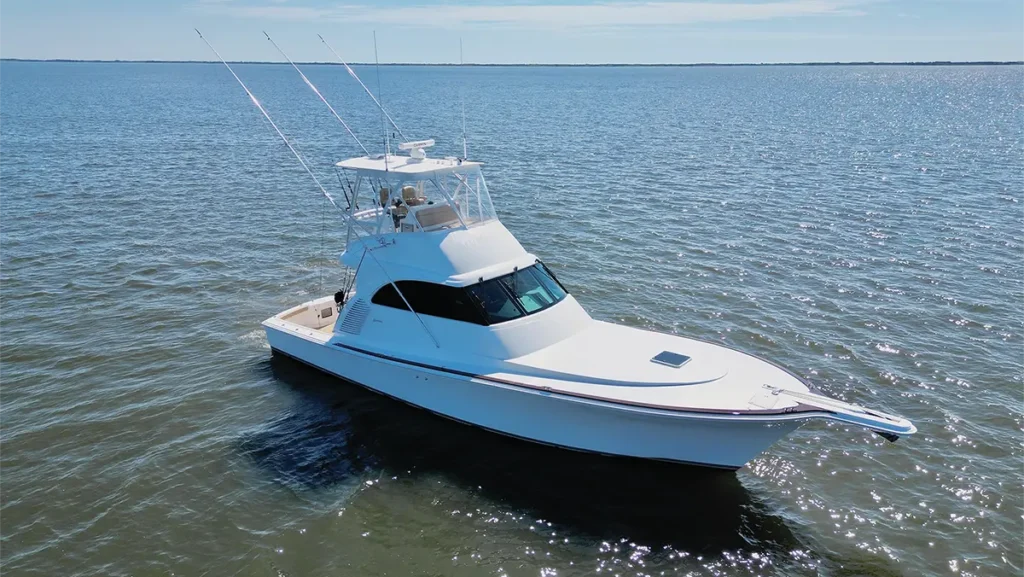
The all-new Henriques 50 EXHTB (Express Hardtop Bridge) is the ultimate blend of rugged performance and refined comfort. Powered by twin Caterpillar C-18 engines, the 50 EXHTB (50′ LOA, 16′ 6″ beam) cruises at 30 knots with a top speed of 36 knots. Featuring dual command helm stations for optimal control and visibility, the 50 EXHTB is designed for serious anglers and casual cruisers alike. With a spacious cockpit with oversized in-deck fish boxes, there’s also a deck mount for a chair or leaning post. Henriques’ legendary craftsmanship built three luxurious staterooms along with the rest of the interior. Ready to tackle offshore adventures including trips to the canyons, the Henriques 50 EXHTB does it with ease offering the comfort and amenities of a premium yacht. henriquesyachts.com
Bertram
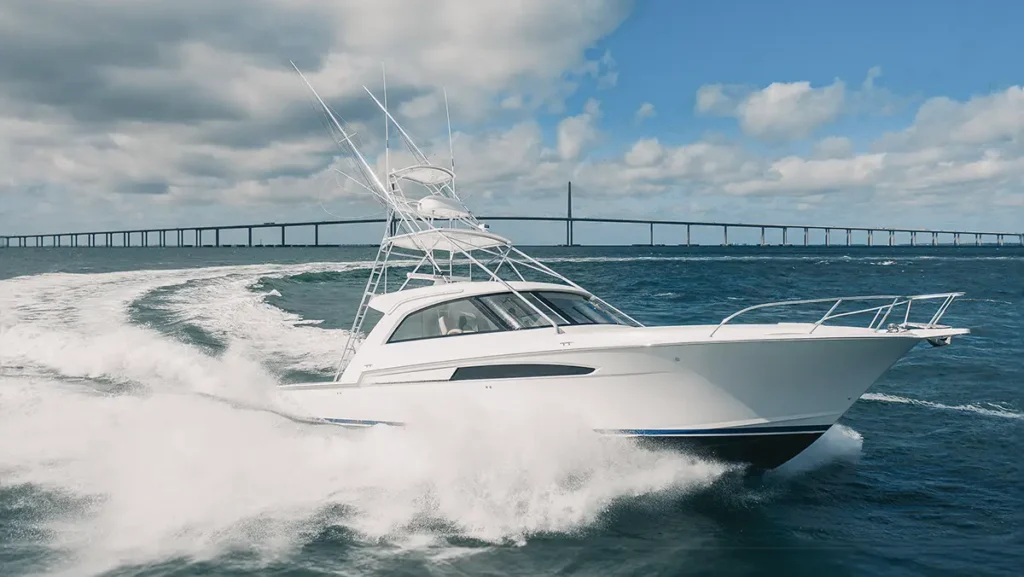
Whether you’re cruising the coast or taking on offshore chop, the Bertram 50S (51′ 6″ LOA; 17′ 3″ beam) offers unparalleled comfort and versatility. Featuring a lower helm and dual staterooms and heads, this Bertram lets you be a little bolder, motor a little farther, and stand up to anything the sea can throw at you. A transom livewell with aquarium view, 24V electric reel sockets in the cockpit under the gunwale, fresh- and saltwater washdowns, mezzanine seating, Seakeeper 9, and the standard Caterpillar C18 1,150-hp engines, this model is fit and ready to power out to your favorite fishing grounds. bertram.com
Also Read
Ferretti 940 Review: A Pocket Megayacht With Italian Luxury and Practical Comfort
The Ferretti 940 represents a pleasing mix of Italian style and onboard comfort. By Kevin Koenig Whenever I go to...
Viking Yachts
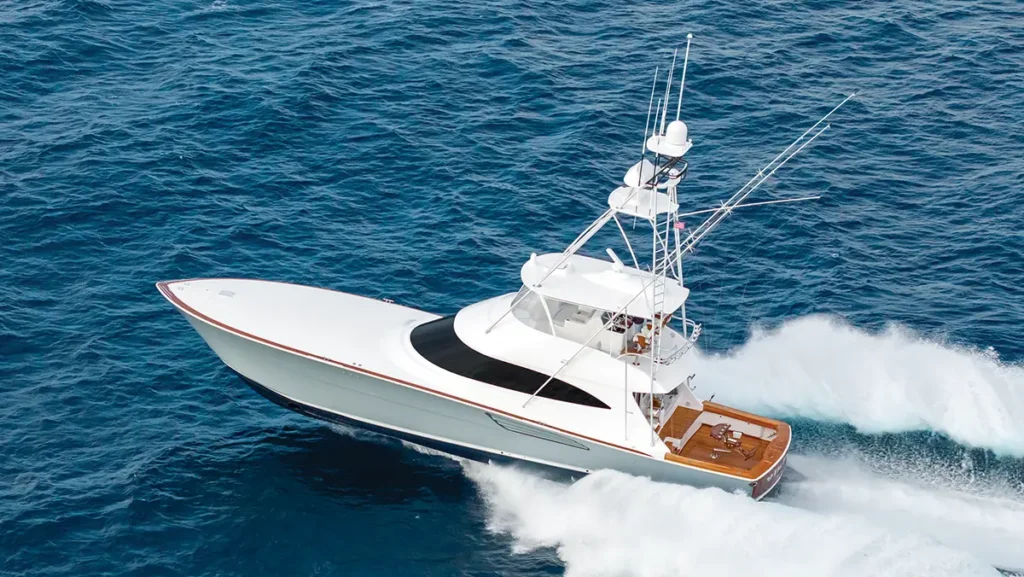
Living by the credo “Building a better boat every day,” Viking Yachts newest entry to its fleet is the second-generation Viking 74. Refined with improved strakes and chines to increase spray deflection and offer more lift, its speed is compliments of twin 2,600-hp MTU power plants. Wide open hits 45 knots, so getting back to the docks for weigh-in shouldn’t be an issue. Boasting a 216-square-foot cockpit, there’s room for a large crew working the rods and a chair/leaning post installation. Up top, the flybridge helm sits on a high platform, giving the captain improved visibility. With four staterooms, a fully equipped galley, and comfortable salon, the Viking 74 (74′ 8″ LOA, 19′ 9″ beam) is a classy rebirth. vikingyachts.com
Bayliss
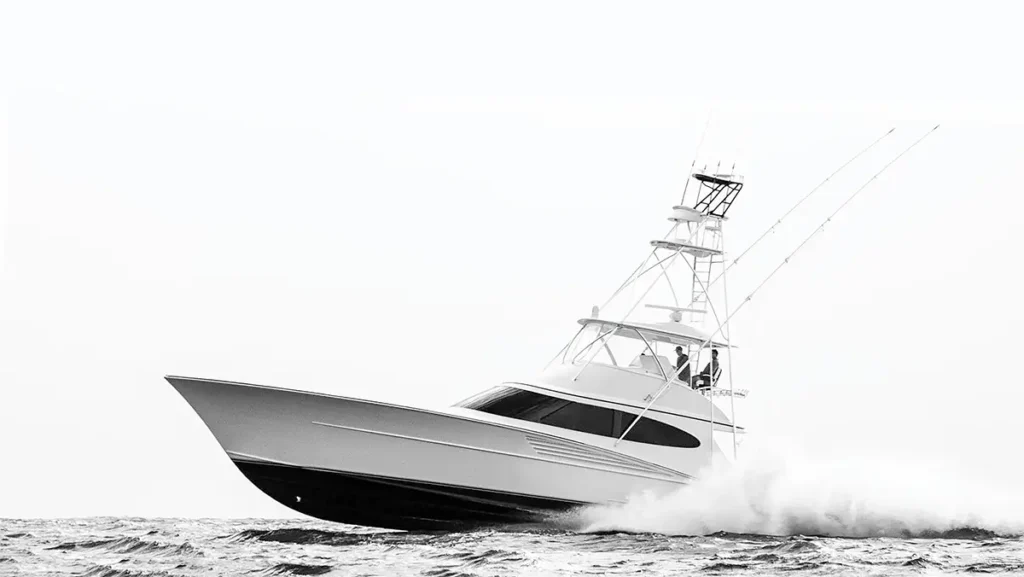
Powered by a pair of MTU 12V 2000 M96X diesel engines, the Bayliss 64 (64′ 9″ LOA, 18′ 4″ beam) is a hard-charging fishing platform with great amenities. Below are three staterooms, three heads, rod locker, concealed washer/dryer, and titanium granite counters. Top-of-the-line appliances fill out the galley, adorned with teak cabinetry and Thunder White granite counters. Built for tournaments, the 64’s cockpit has hand-selected teak decking, fridges, and storage within the mezzanine seating deck, Release Marine rocket launcher, and dual-pump hydraulic outriggers. Collaboration between Bayliss and the owner resulted in this finely crafted machine. baylissboatworks.com
Subscribe Here For More Boating Content
Tribute
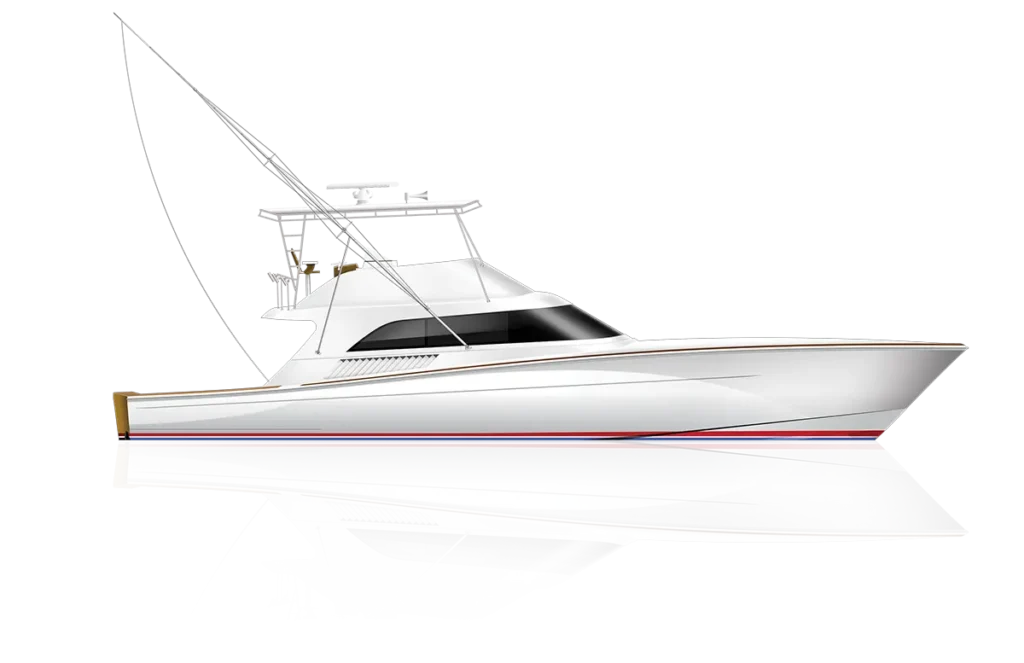
Another Florida builder is Tribute Boats in Palm City. A custom builder, its new 62-foot sportfish will be searching for big game. Powered by twin MAN V12 engines pushing 1,800 horsepower each, this battlewagon can run with the fleet. The high performance coupled with high tech and the latest in construction processes makes the Tribute 62 (62′ 6″ LOA, 17′ 2″ beam) a real contender. tributeboats.com
Ritchie Howell Sportfishing Machines
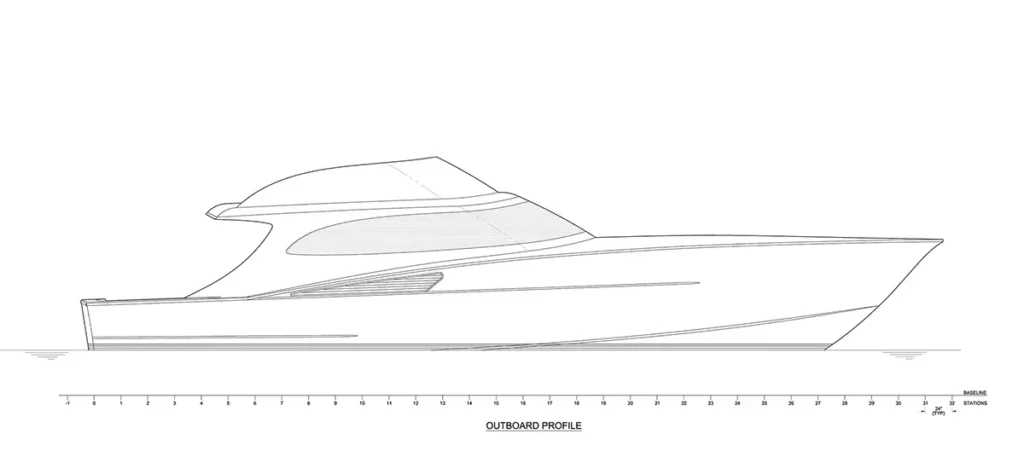
Coming off the drawing board into full production is a Ritchie Howell 64′. From a true “Custom Carolina” builder, the 64-footer (18′ 6″ beam) has a sharp entry and generous flair to battle the inlets and seas. Propelling this model are a pair of 2,000-hp CAT C32As power plants with an impressive 2,550-gallon fuel capacity. Interior accommodations include a three-stateroom, two-head layout and tackle room. Multiple stacked bunks allow you to stay on the fishing grounds for days in comfort. ritchiehowell.com
Rybovich
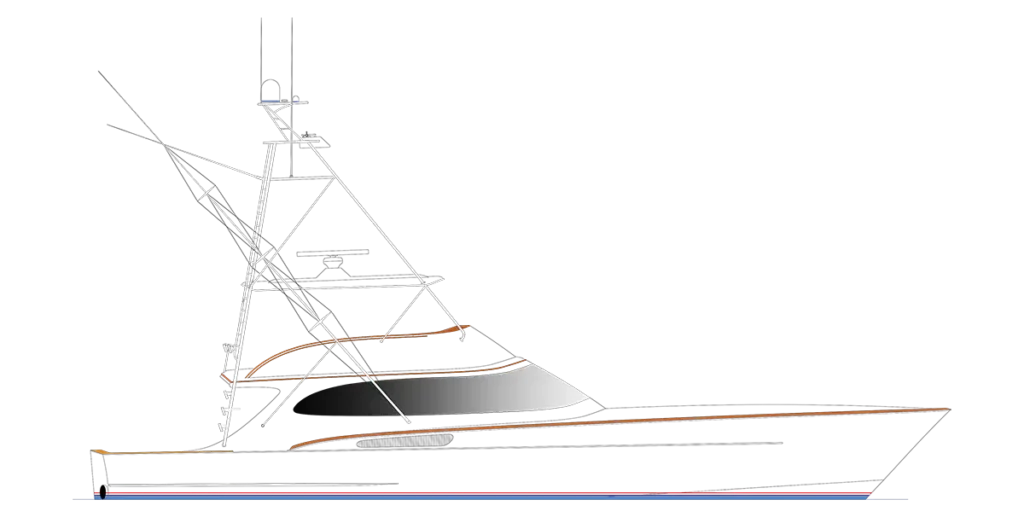
Michael Rybovich and Sons Hull No. 9, a gorgeous 70′ sportfish, will launch mid-2025. Featuring twin 2,000-hp Caterpillar C32B 12-cylinder engines (with anticipated top speed of 40 knots), CJR’s flow-aligned running gear for maximum performance, Seakeeper 18, Furuno Omni Sonar, and a mission-driven layout, this 70-footer (19′ 6″ beam) will be the envy of the fleet. Built for an owner who is known for releasing well over 100 blue marlin every year, this boat will spend most of its time in the Virgin Islands helping to continue the sportfishing legacy. The wide beam allows for a four-stateroom layout with three heads, featuring a king master and a queen VIP. michaelrybovichandsons.com
Buddy Davis Yachts
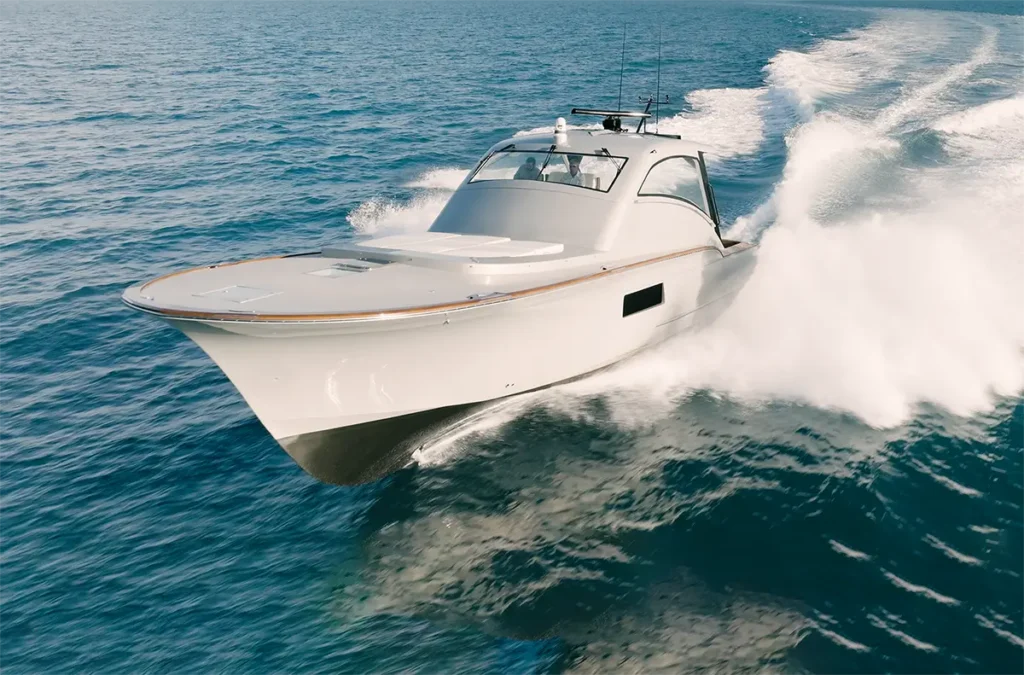
A departure from the standard flybridge battlewagon, Buddy Davis recently introduced the 52 Euro Coupe. Styled with a three-sided enclosed house, this beamy hull creates a large cockpit for fighting big game. One cool feature is the transom that opens flat, offering more fish fighting space as well as an easy way to bring aboard large catch. With two staterooms, a fully equipped galley, and mezzanine seating, the 52 (52′ 6″ LOA, 16′ beam) is ready for day trolling or overnighting at the canyon. buddydavis.com
Also Read:
Tilt and Trim Troubleshooting
When your outboard’s tilt and trim system fails, you feel it immediately. You can’t optimize your running angle...
Willis Custom Yachts
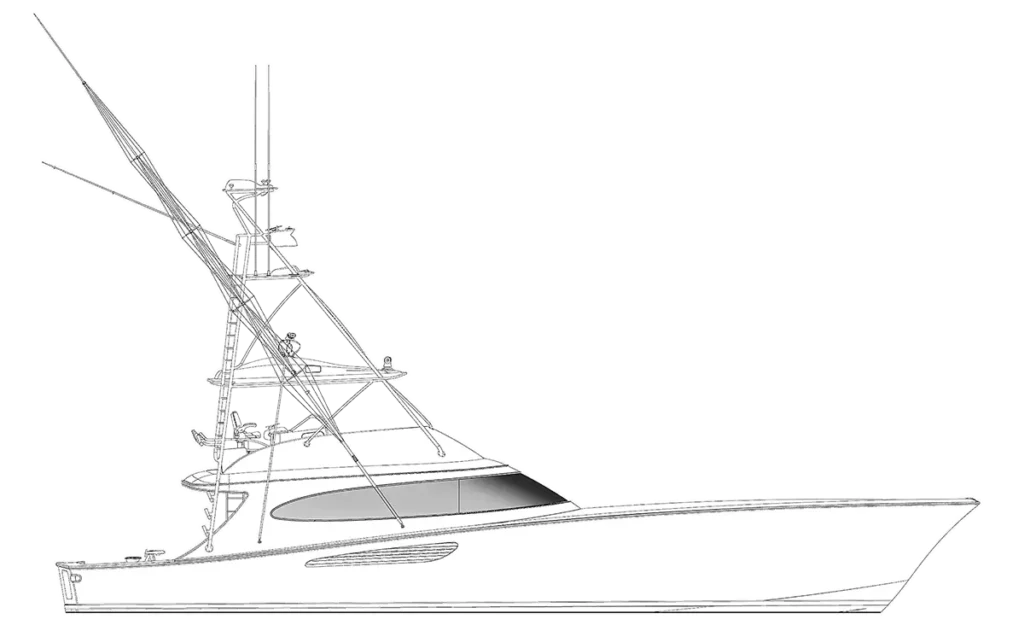
The newest Willis Custom Yachts to hit the water is Hull No. 16, a Willis 70 (70′ LOA, 20′ beam), that showcases the latest in technology and engineering. A cold-molded hull was used as the foundation as the latest in carbon composites are incorporated into almost every element for its high strength/light weight. The 2,400-hp Caterpillar C32B power plants were selected for their reliable reputation. The four-cabin, three-head layout offers accommodations for up to seven guests/crew comfortably belowdecks. Custom tackle and rod storage is strategically placed throughout to create a clean interior finish. The main galley center island is outfitted with fridges/freezers and a hidden induction cooktop. The Willis 70 is built to tackle any tournament, equipped with the latest Omni 10 sonar technology to target the fish. williscustomyachts.com
Jim Smith
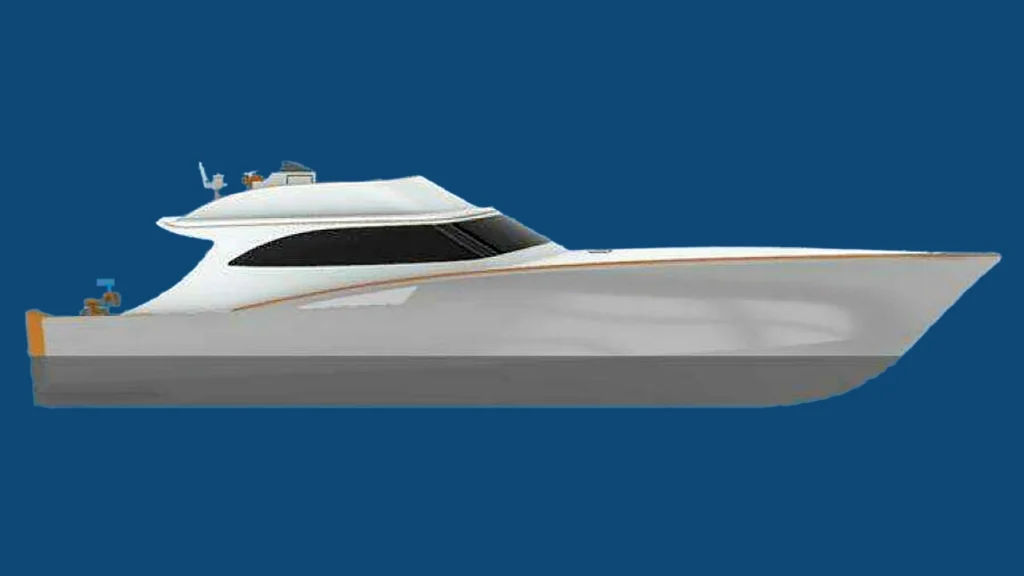
New for 2026 will be a Jim Smith 72 Custom Convertible Sportfish. This Smith 72 (72′ LOA, 20′ beam) means business when it comes to serious fishing. With twin 2,200-hp MAN V12 diesels, it is first to the grounds and back to the dock. Custom touches include teak decking and covering boards. Add in a mezzanine deck with L-shaped seating on both the port and starboard sides for line watching or relaxing. An offset fighting chair gets the fish, and large tuna doors assist in the landing. Boasting mahogany interior cabinetry and flooring, the Smith 72 has a four-stateroom, four-head lower deck configuration. jimsmithboats.com
-By Tom Serio
Related Posts